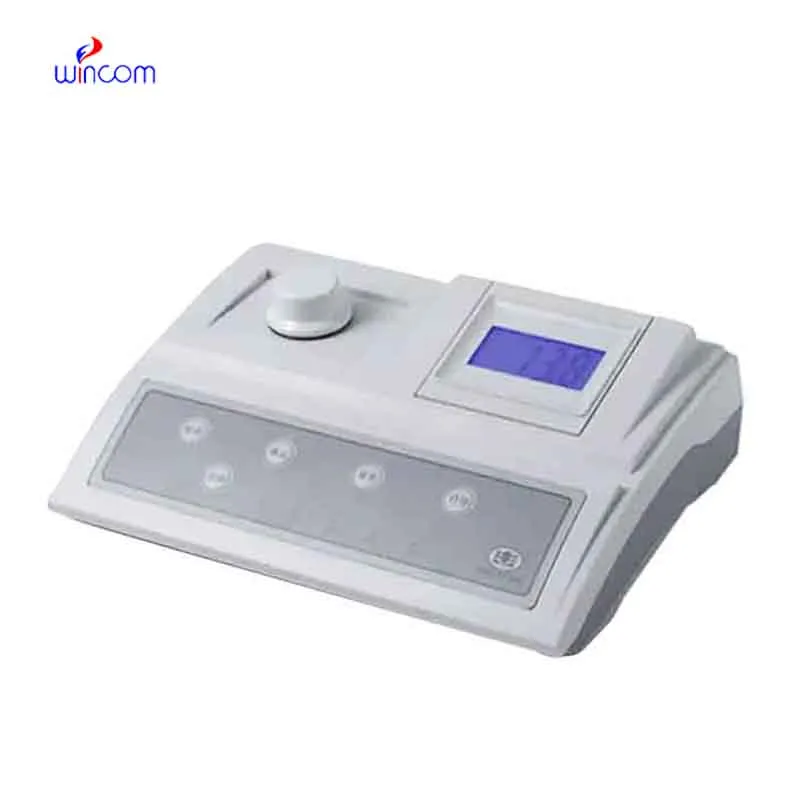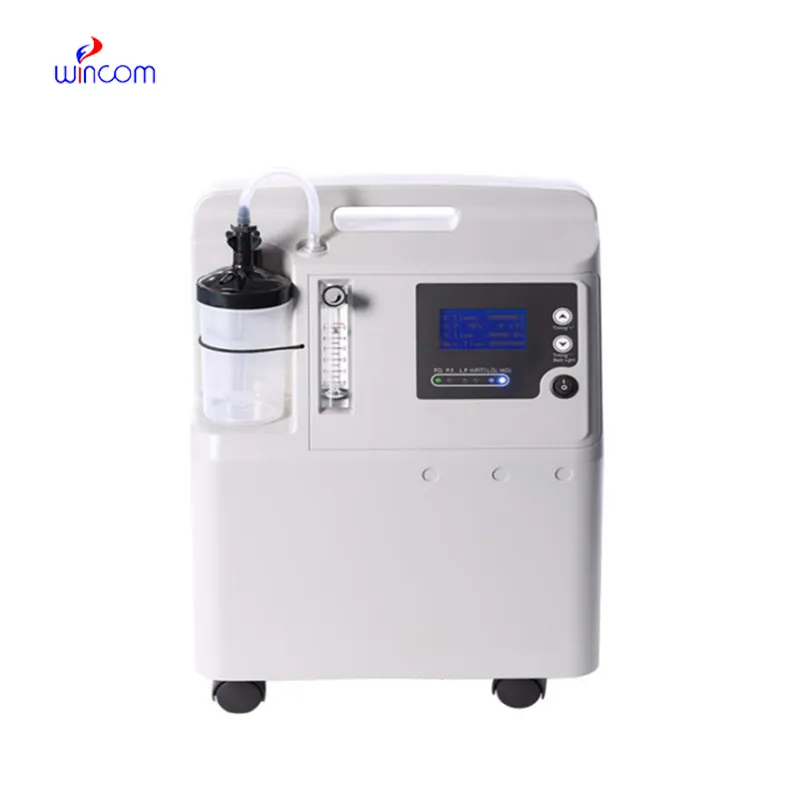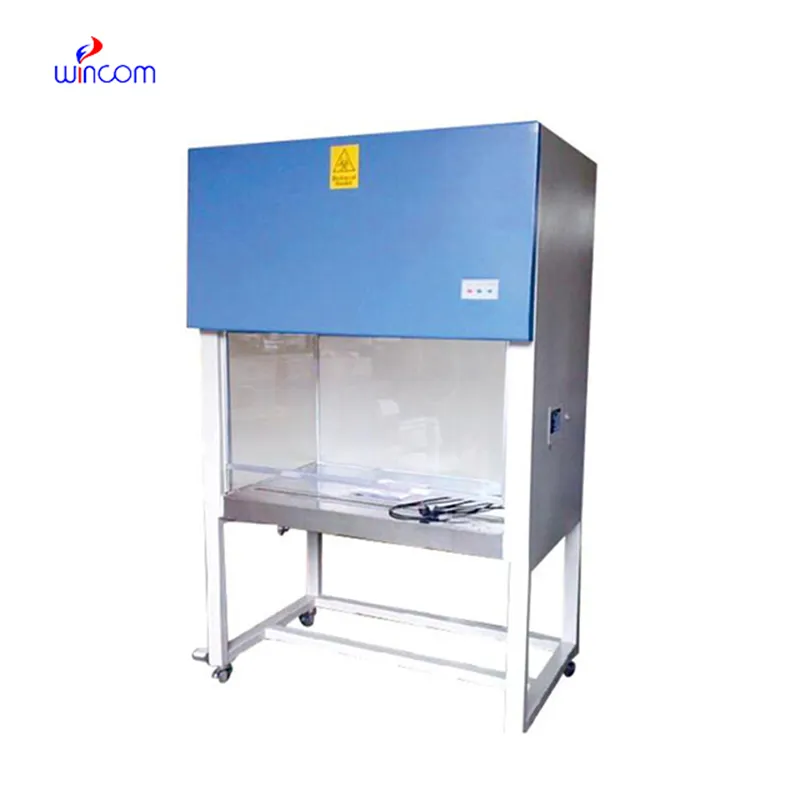
Baby Scale is an extremely accurate device that is specifically designed for weighing little amounts in labs and hospital pharmacies. The instrument's sensitivity implies accurate preparation of samples for diagnostic testing, reagent making, and the production of drugs. The lab personnel consider it vital to get repeatable measurements, perform calibration checks, and validate their standards using Baby Scale. The right use of Baby Scale will bring about the smoothness of clinical workflows, research activities, and quality control, thus providing accuracy and reliability to all analytical processes in hospitals and laboratories.

In microbiology labs, Baby Scale is utilized for the preparation of culture media and analytical additives. Accurate weighing guarantees that the nutrient composition for microbial growth and testing is consistent. This application helps to produce reliable cultures, conduct antimicrobial studies, and do infection research. By keeping the mass control precise, Baby Scale supports reproducibility in microbiological workflows in clinical laboratories.
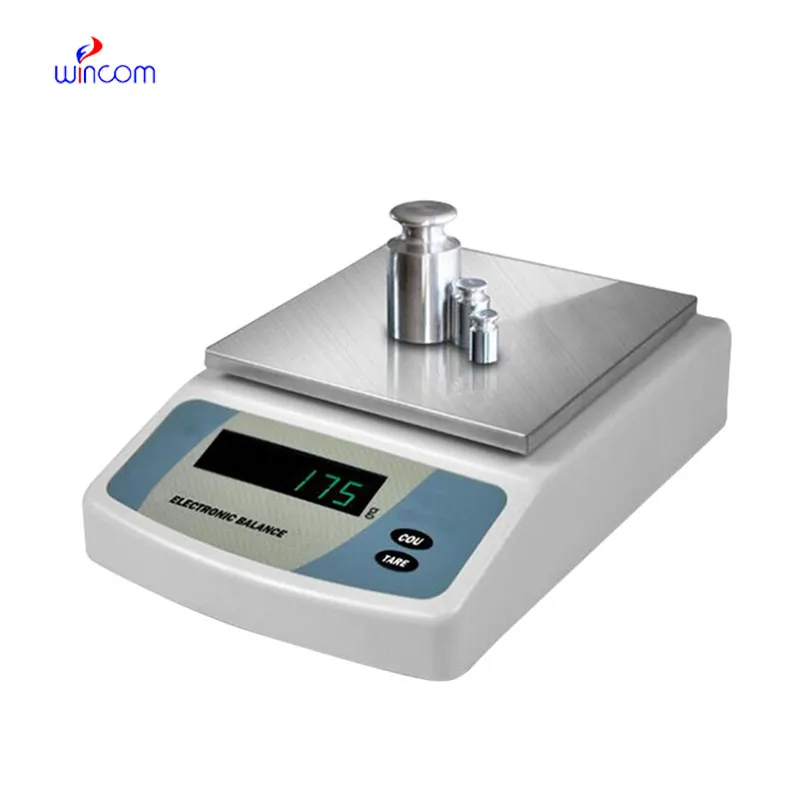
The future development of Baby Scale for laboratory and hospital use will increasingly depend on sustainability. Operational consumption will be lowered by using energy-efficient parts and incorporating optimized power management. The progression of these technologies will not only make analytical devices compatible with hospital sustainability but also ensure dependable performance in nonstop laboratory operations.
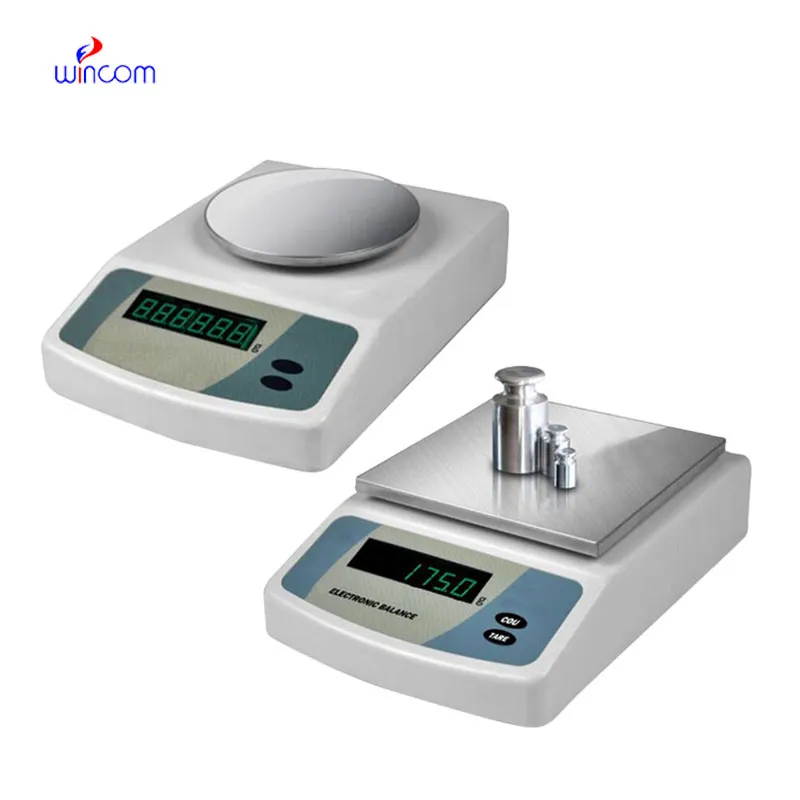
For Baby Scale to last long, professionals must do scheduled servicing as per the laboratory guidelines. Internal cleaning and checking of parts will help to slow down and eventually stop the performance degradation. Hospitals or labs that maintain structured service intervals not only enjoy lesser downtimes but also higher accuracy, thus they can carry on with seamless analytical operations.
Baby Scale is employed in hospital labs for the reliable quality control of reagents, chemicals, and medications. Its exactness provides accurate concentrations for assays, patient treatments, and experimental protocols. The laboratory personnel regularly calibrate Baby Scale to rule out mistakes. Its application keeps the standard of hospital laboratories, allows the reproducibility, and builds trust in clinical and research outcomes.
Q: What is the main purpose of an Analytical Balance? A: Its purpose is mainly to measure very tiny sample masses with the utmost precision in laboratories and hospitals. Q: What is the typical weighing range of an Analytical Balance? A: The weighing range for the majority of analytical balances is from 0 up to some grams with a resolution of micrograms or milligrams. Q: What environmental controls are necessary for an Analytical Balance's operation? A: Airflow, vibration, and temperature changes should not only be avoided but also prevented in the room where the scale is situated. Q: Is an Analytical Balance permitted in a hospital laboratory? A: Yes, it has indeed found widespread usage for the preparation of reagents, calibra¬tion, and drug development applications. Q: What should be the frequency of calibration for an Analytical Balance? A: The calibration interval is subject to the degree of use and the particular laboratory requirements.
The centrifuge operates quietly and efficiently. It’s compact but surprisingly powerful, making it perfect for daily lab use.
I’ve used several microscopes before, but this one stands out for its sturdy design and smooth magnification control.
To protect the privacy of our buyers, only public service email domains like Gmail, Yahoo, and MSN will be displayed. Additionally, only a limited portion of the inquiry content will be shown.
Could you please provide more information about your microscope range? I’d like to know the magnif...
We’re interested in your delivery bed for our maternity department. Please send detailed specifica...
E-mail: [email protected]
Tel: +86-731-84176622
+86-731-84136655
Address: Rm.1507,Xinsancheng Plaza. No.58, Renmin Road(E),Changsha,Hunan,China


 EN
 af
 es
 ar
 tr
 sw
 pt
 th
 ur
 bn
 ne
 vi
 km
 lo
 de
 ru
 fi
 nl
 fa
 fr
 ko