vacutainer blood collection tubes play an essential role in upholding laboratory diagnostics quality. The sterile, pre-labeled tubes guarantee correct sample collection and processing. Hospitals utilize these tubes for various clinical tests, from the simplest blood counts to the most sophisticated biochemical assays. The chemicals contained in the tubes maintain the blood's nature so that there is no error in determining the quantity of cells and plasma. They are purposely engineered for safe use, quick delivery, and automation-friendly. The dependability of vacutainer blood collection tubes is directly responsible for the rapid and accurate laboratory results which, in turn, aid in patient management and the smooth running of hospitals.

The use of vacutainer blood collection tubes in emergency departments is vital for quickly taking blood samples in acute care situations. Immediate tests for coagulation, electrolytes, and blood gases are required for patients who have undergone trauma, are suffering from severe infections, or have heart problems. The use of color-coded caps allows the rapid selection of the right tube by the clinicians, while the vacuum-based designs allow for safe and efficient sample collection. Tubes are allowed to be directly transported to the hospital laboratories for prompt analysis. The vacutainer blood collection tubes application guarantees that the essential blood samples would be unpolluted and well-preserved, hence, making the rapid diagnostic decision-making process that could save the lives of patients in the high-pressure hospital environments.
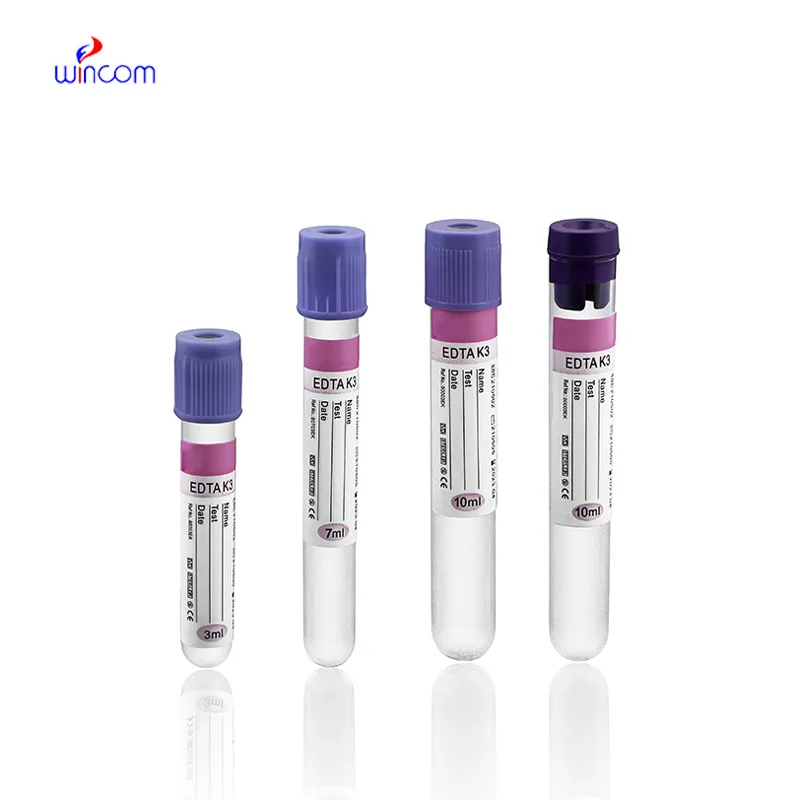
The future of vacutainer blood collection tubes might put a stronger focus on environmental sustainability besides clinical performance. The hospitals might use tubes manufactured from recyclable or biodegradable elements that allow for no compromise on sterility or chemical stability. Furthermore, the smart designs with integrated tracking, additive optimization, and automated analyzer compatibility will facilitate laboratory work a lot more. Through the synergy of eco-friendly construction and technological enhancements, the upcoming vacutainer blood collection tubes will not only comply with regulatory requirements but also lower laboratory waste and continue to deliver precise and trustworthy sample processing for both routine diagnostic and advanced hospital research applications.
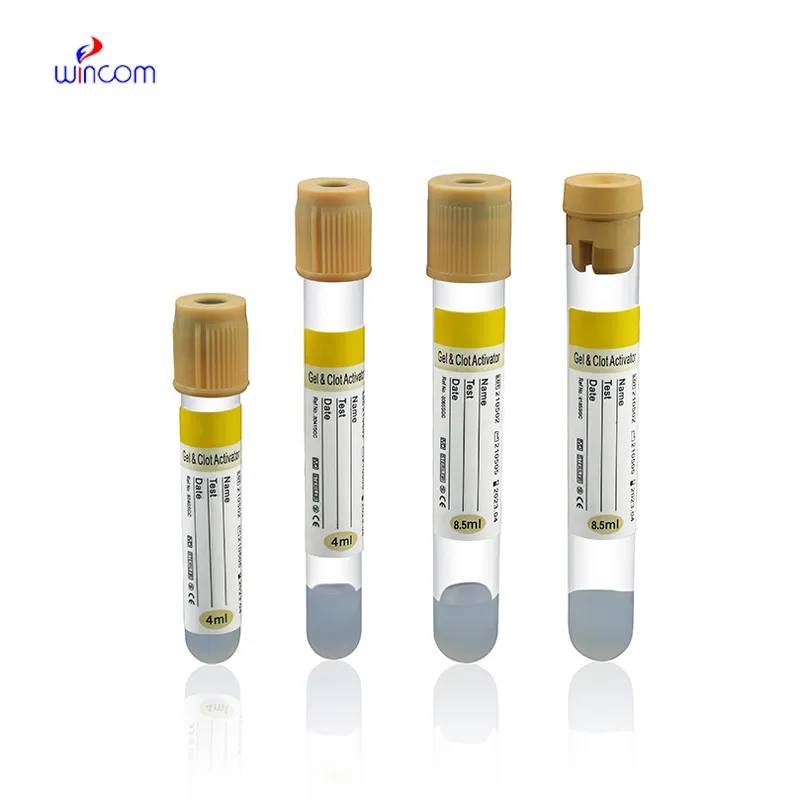
The vacutainer blood collection tubes long term care is based on constant adherence to the requirements presented by both the manufacturer and the hospital. Tubes, for their part, need to be kept in places with controlled temperatures and have to be moisture-free. Usage patterns and expiration dates are monitored with the help of inventory systems. Lab personnel should dispose of tubes that are damaged or affected in any way on an immediate basis. Adhering to disposal protocols not only keeps the environment clean but also protects the staff. By the application of thorough maintenance and care practices, the vacutainer blood collection tubes persist to provide the hospitals with precise blood collection and trustworthy laboratory diagnostics across all departments.
In blood banks and transfusion centers, vacutainer blood collection tubes are the main components in the process of collecting and storing the blood samples from donors for compatibility tests and for screening infectious diseases. The blood samples are taken and put into tubes with anticoagulants that inhibit coagulation and keep the cells in a living state. The correct labeling and the proper treatment of the samples assure their identification throughout the whole donation process. The staff trusts vacutainer blood collection tubes to keep the samples in good condition while doing serological and molecular tests. Their manufacturing allows for both manual and automated laboratory processes, thus they are very important for the safe transfusion of blood and delivery of compatible blood products to patients in hospitals.
Q: What is the purpose of Blood Collection Tubes in emergency departments? A: The main function is to facilitate quick and secure blood collection for urgent diagnostic tests. Q: Are Blood Collection Tubes suitable for infants and children? A: Absolutely, there are specialized smaller-volume tubes for both pediatric and neonate applications. Q: What is the procedure when a Blood Collection Tube gets broken? A: The broken tubes cannot be used and should be disposed of per the hospital's rules. Q: Will Blood Collection Tubes leak if there is an accident? A: Leakage during handling and transport is minimized through the secure caps that are designed for these tubes. Q: What methods do hospitals use for tracking Blood Collection Tubes? A: A number of hospitals are using either labeling or barcode systems for sample identification and traceability.
This x-ray machine is reliable and easy to operate. Our technicians appreciate how quickly it processes scans, saving valuable time during busy patient hours.
We’ve used this centrifuge for several months now, and it has performed consistently well. The speed control and balance are excellent.
To protect the privacy of our buyers, only public service email domains like Gmail, Yahoo, and MSN will be displayed. Additionally, only a limited portion of the inquiry content will be shown.
We’re interested in your delivery bed for our maternity department. Please send detailed specifica...
We’re currently sourcing an ultrasound scanner for hospital use. Please send product specification...
E-mail: [email protected]
Tel: +86-731-84176622
+86-731-84136655
Address: Rm.1507,Xinsancheng Plaza. No.58, Renmin Road(E),Changsha,Hunan,China


 EN
EN
 af
af
 es
es
 ar
ar
 tr
tr
 sw
sw
 pt
pt
 th
th
 ur
ur
 bn
bn
 ne
ne
 vi
vi
 km
km
 lo
lo
 de
de
 ru
ru
 fi
fi
 nl
nl
 fa
fa
 fr
fr
 ko
ko