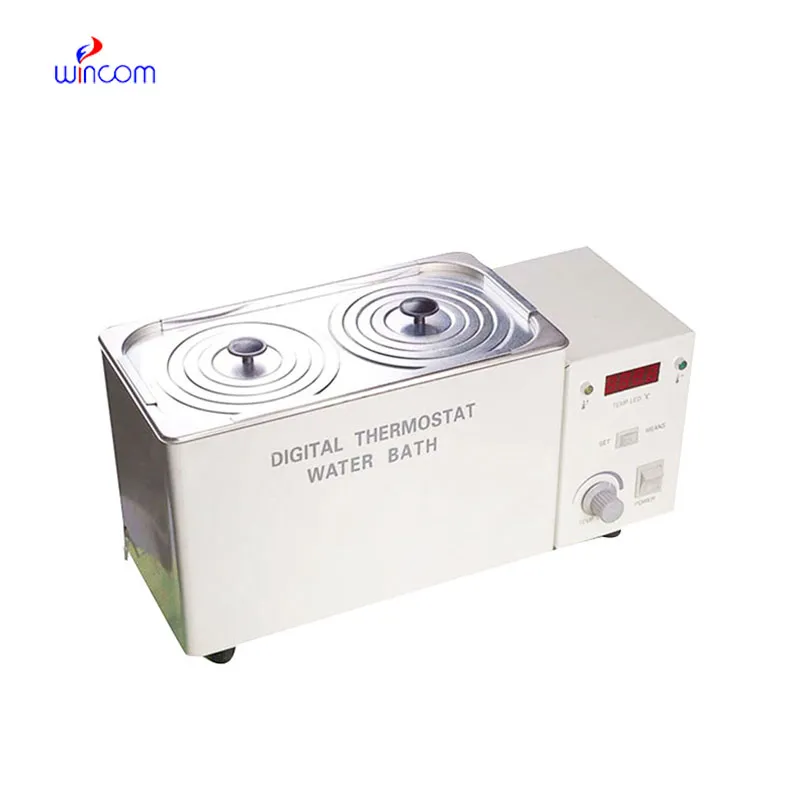
The use of water bath in laboratory has functionality with advanced temperature control technology. Its heater system includes stable thermal consistency, whereby each sample in the chamber undergoes equal heat exposure. The use of water bath in laboratory enables precise temperature setting and adjustments with an easy-to-use digital control panel. Its stainless-steel tank includes superior corrosion resistance and chemical reaction resistance. With built-in protection features such as thermal cut-off and water level sensing, the use of water bath in laboratory is all about performance and protection. It is best for regular lab applications and for certain scientific applications.

The use of water bath in laboratory is a valuable resource of laboratories in biology, chemistry, and clinical research. The use of water bath in laboratory is most commonly used for warming cultures, pre-warming reagents, softening substrates, and adjusting sample temperatures. In microbiology, the use of water bath in laboratory is applied to grow bacterial cultures at controlled temperatures. In chemistry laboratory facilities, it is applied to reaction kinetics and digestion reactions of samples. Pharmaceutical facilities utilize the use of water bath in laboratory for product testing and stability tests. Its precise temperature control yields consistent results, supporting research and quality control procedures.
New technologies are shaping the future of the use of water bath in laboratory, making them faster, smarter, and greener. Advanced temperature mapping will enhance consistency, while AI-powered analytics will maximize performance based on experimental data. Lab management software compatibility will enable remote control and automatic reporting. The use of water bath in laboratory will also be built to utilize recyclable materials and energy-saving features. All these new features will make it an integral part of laboratories which need precision, efficiency, and reduced environmental impact.
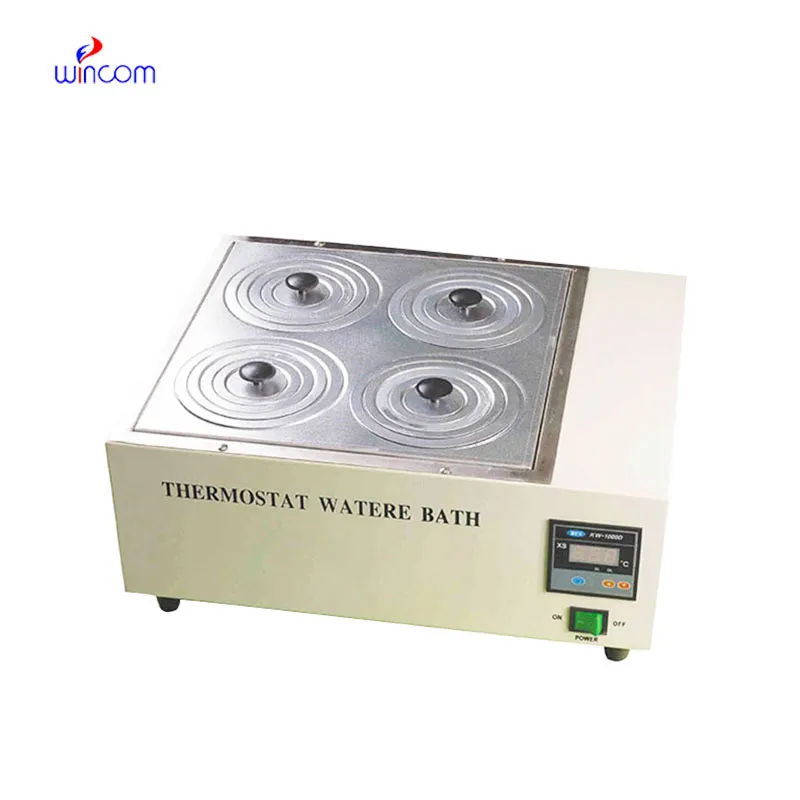
Maintenance of use of water bath in laboratory involves periodic cleaning and inspection cycles. Unplug the device and let it cool down completely. Clean the interior using non-abrasive cleaning materials to prevent scratching. Use deionized water to limit mineral deposition and maximize heating efficiency. Check for rust or deposition on metal components. Ensure the temperature sensor is covered up to the hilt in use. Regular maintenance prevents the use of water bath in laboratory from delivering optimal performance and shortening the lifespan of its heater elements.
A use of water bath in laboratory delivers even heating for laboratory purposes where accuracy is essential. It holds water at fixed temperatures for such procedures as bacterial culture incubation, heating of reagents, and thawing of samples. The internal temperature sensors and thermostat of the **use of water bath in laboratory** facilitate even conditions during use. Its stainless-steel chamber is corrosion-resistant, with security features protecting samples from overheating. The **use of water bath in laboratory** facilitates reliability and consistency that enable precise scientific and experimental methods.
Q: What temperature range can a laboratory water bath typically achieve? A: Most laboratory water baths operate between ambient temperature and approximately 100°C, allowing precise control for a variety of experiments. Q: How does a water bath ensure even heating across samples? A: The circulation of water, either by convection or a built-in stirrer, ensures uniform temperature distribution throughout the chamber. Q: Why should a water bath be calibrated regularly? A: Regular calibration ensures temperature accuracy, preventing errors that could affect the results of sensitive laboratory processes. Q: What materials are commonly used in constructing a water bath? A: High-quality stainless steel is typically used for the inner chamber to resist corrosion and ensure durability under continuous heating. Q: How can overheating be prevented when using a water bath? A: Many modern units feature automatic temperature cutoffs and alarms that activate if the set temperature exceeds safe limits.
The centrifuge operates quietly and efficiently. It’s compact but surprisingly powerful, making it perfect for daily lab use.
The water bath performs consistently and maintains a stable temperature even during long experiments. It’s reliable and easy to operate.
To protect the privacy of our buyers, only public service email domains like Gmail, Yahoo, and MSN will be displayed. Additionally, only a limited portion of the inquiry content will be shown.
We’re currently sourcing an ultrasound scanner for hospital use. Please send product specification...
Hello, I’m interested in your centrifuge models for laboratory use. Could you please send me more ...
E-mail: [email protected]
Tel: +86-731-84176622
+86-731-84136655
Address: Rm.1507,Xinsancheng Plaza. No.58, Renmin Road(E),Changsha,Hunan,China


 EN
 af
 es
 ar
 tr
 sw
 pt
 th
 ur
 bn
 ne
 vi
 km
 lo
 de
 ru
 fi
 nl
 fa
 fr
 ko