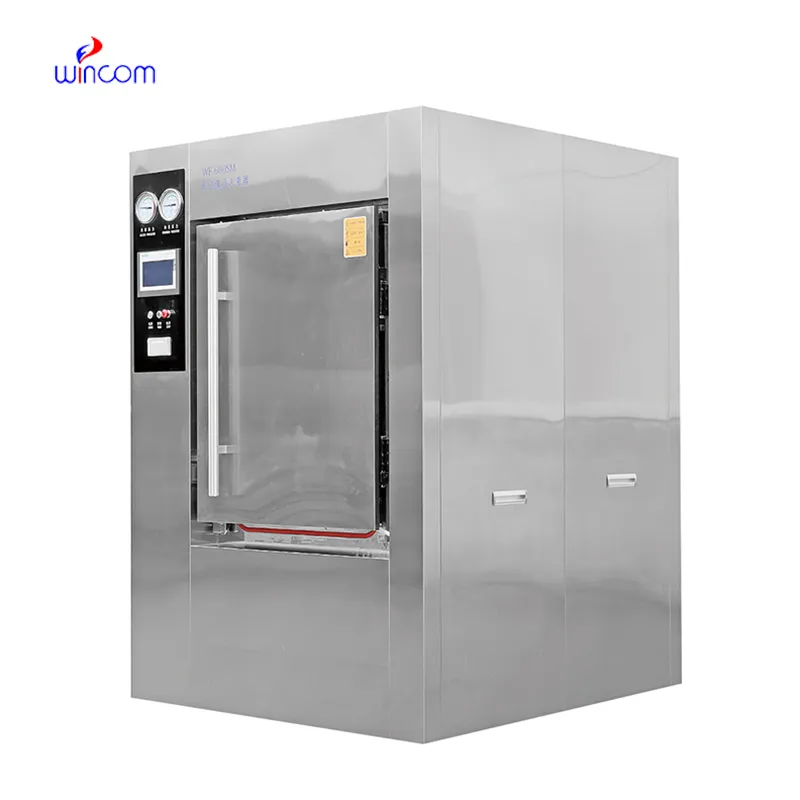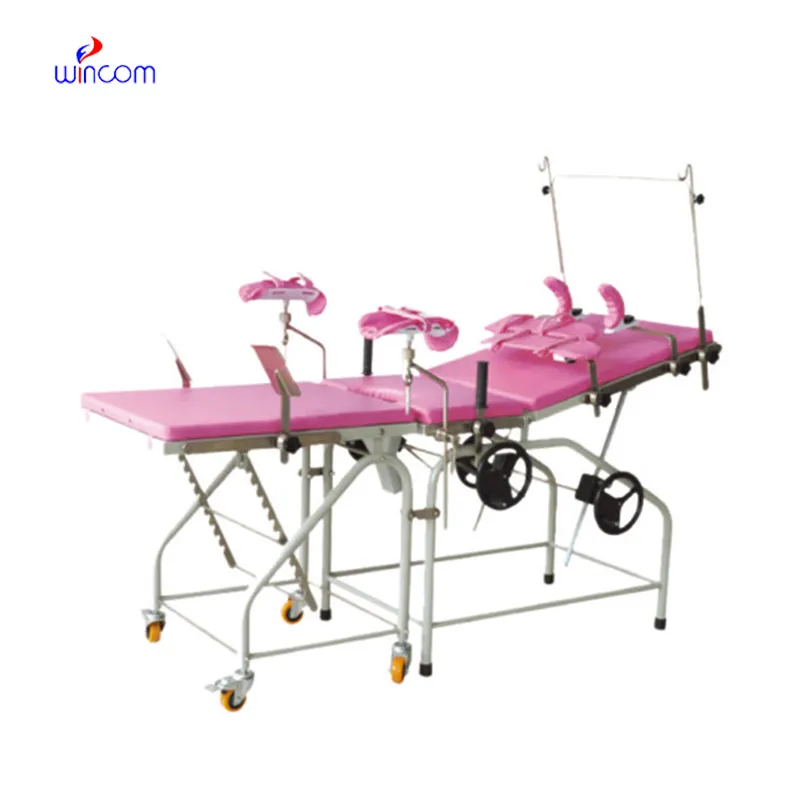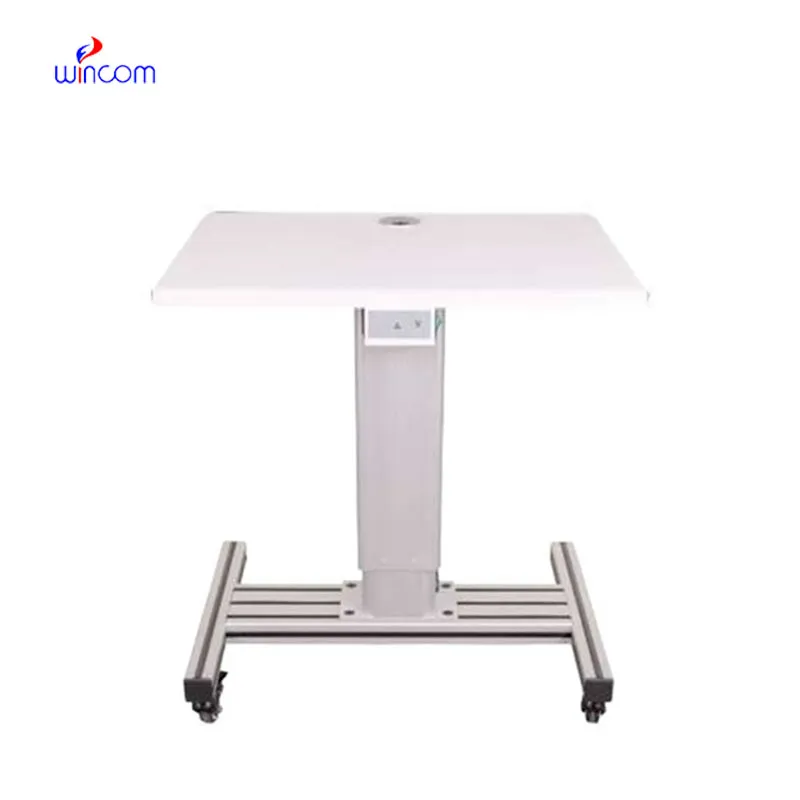
stationary oxygen concentrator is an innovation that produces medical-grade oxygen via an internal separation method which removes nitrogen from the air around it. This configuration makes it possible for continuous oxygen production without depending on gas storage. The device in a hospital setting provides continuous oxygen delivery of stable quality to wards, diagnostic areas, and other departments. Its built-in control panel allows for accurate flow regulation depending on clinical need. Supporting respiratory care with a constant source of oxygen, stationary oxygen concentrator decreases the logistical challenges that go hand in hand with conventional oxygen supply methods.

In rehabilitation departments, the stationary oxygen concentrator device is used as a support for patients in their physical and respiratory therapy sessions. Patients after lung related diseases could need extra oxygen in the course of their movement. The machine is giving out constant oxygen and at the same time letting the patient move around the therapy zone. Health workers keep an eye on how much the patient can tolerate and change the flow accordingly. This method helps the patient recover slowly and safely join rehabilitation programs.
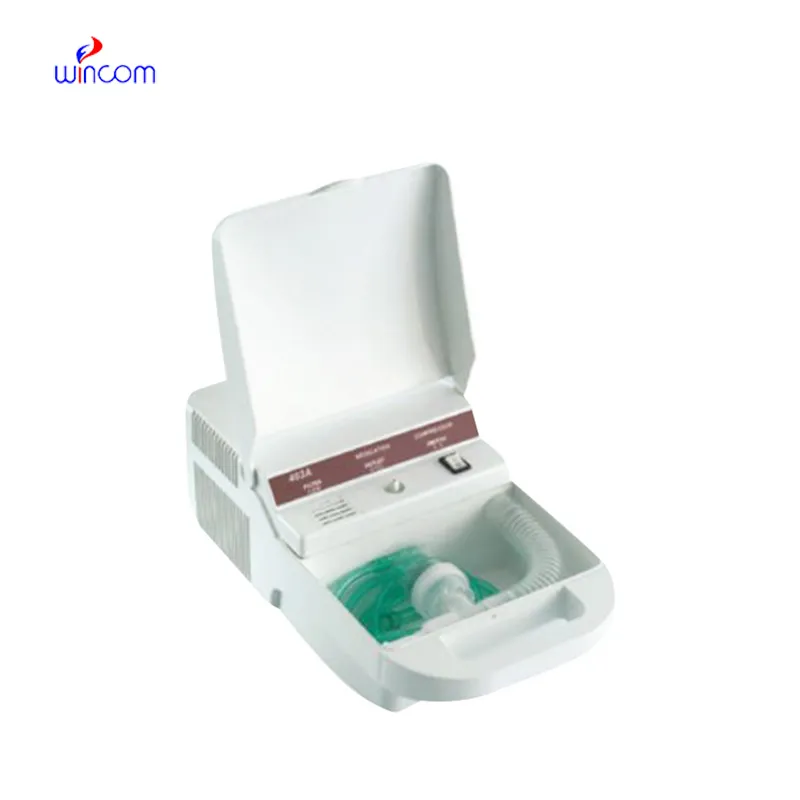
Future stationary oxygen concentrator designs in outpatient and ambulatory care may focus on small footprints and easy management. Devices that work perfectly with current workflows will be a great help for clinics with little space. Enhanced user-friendliness might shorten the training period for healthcare professionals. Such a change is a step toward more outpatient services and non-centralized healthcare delivery systems. stationary oxygen concentrator will probably adjust to these new Trends in healthcare delivery.
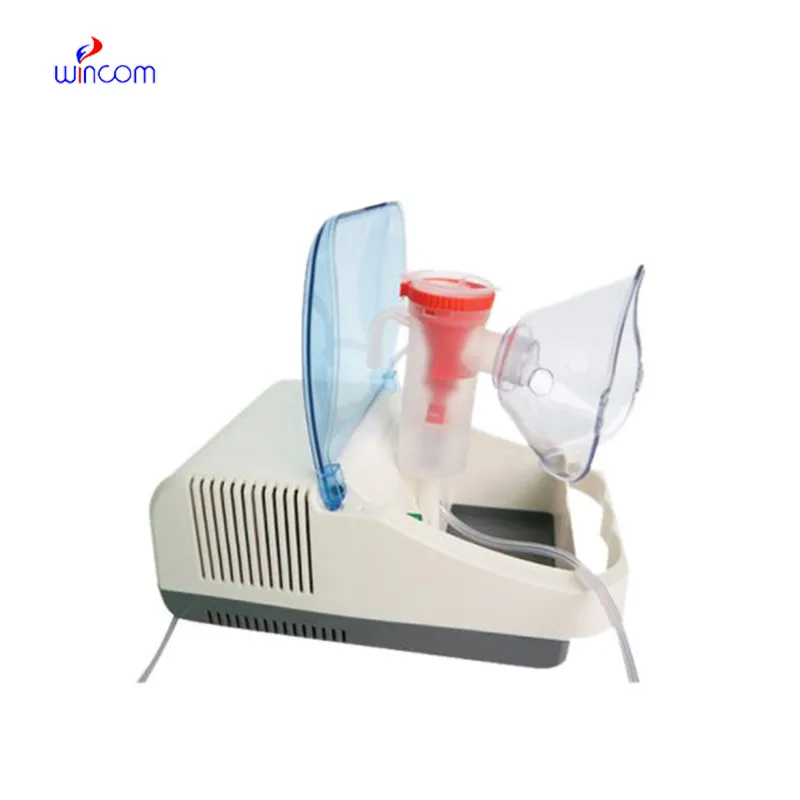
stationary oxygen concentrator calls for regular maintenance by skilled biomedical engineers to guarantee perfect operation. Periodic testing of parts like compressors, valves, and concentrator beds is necessary to check their wear and efficiency. Verification of electrical systems and safety circuits is a must to avoid downtime. Proactive maintenance is very important in high-demand places such as ICUs and emergency departments. Good servicing brings about fewer unexpected failures and thus uninterrupted oxygen delivery. Hospitals depending on stationary oxygen concentrator are the ones getting the most out of these practices, so they offer safe and reliable respiratory support for patients under constant monitoring.
Intensive care units stationary oxygen concentrator support patients who need constant oxygen supplementation. It is used together with ventilators and monitoring devices to keep the oxygen levels sufficient. The medical team depends on its reliable output to help severely sick patients either during the healing process or just while being observed. The constant operation of the machine aids in eliminating the interruptions in oxygen supply. This use case underscores the necessity of stationary oxygen concentrator in critical healthcare facilities where the reliability of oxygen is very important.
Q: Is the device useful in emergencies? A: Indeed, it is like providing oxygen support to the patients who are facing such situations or are treated for trauma, right away. Q: Are the device and other hospital respiratory equipment compatible? A: The oxygen concentrators can work together with the humidifiers and the ventilators if they are needed for the patient’s care. Q: What is the average life span of internal filters? A: Filters’ life span varies per model, but regular checking assures the prompt replacement which maintains the oxygen purity. Q: Can it be placed in the ICUs which are high-demand departments? A: Yes, the device can indeed withstand the intensive and continuous use in the checkout areas of critical care. Q: Are there mobility features in the device? A: Many models are equipped with either wheels or handles for easy relocation from one hospital room to another.
We’ve been using this mri machine for several months, and the image clarity is excellent. It’s reliable and easy for our team to operate.
This x-ray machine is reliable and easy to operate. Our technicians appreciate how quickly it processes scans, saving valuable time during busy patient hours.
To protect the privacy of our buyers, only public service email domains like Gmail, Yahoo, and MSN will be displayed. Additionally, only a limited portion of the inquiry content will be shown.
Hello, I’m interested in your centrifuge models for laboratory use. Could you please send me more ...
Could you share the specifications and price for your hospital bed models? We’re looking for adjus...
E-mail: [email protected]
Tel: +86-731-84176622
+86-731-84136655
Address: Rm.1507,Xinsancheng Plaza. No.58, Renmin Road(E),Changsha,Hunan,China


 EN
EN
 af
af
 es
es
 ar
ar
 tr
tr
 sw
sw
 pt
pt
 th
th
 ur
ur
 bn
bn
 ne
ne
 vi
vi
 km
km
 lo
lo
 de
de
 ru
ru
 fi
fi
 nl
nl
 fa
fa
 fr
fr
 ko
ko