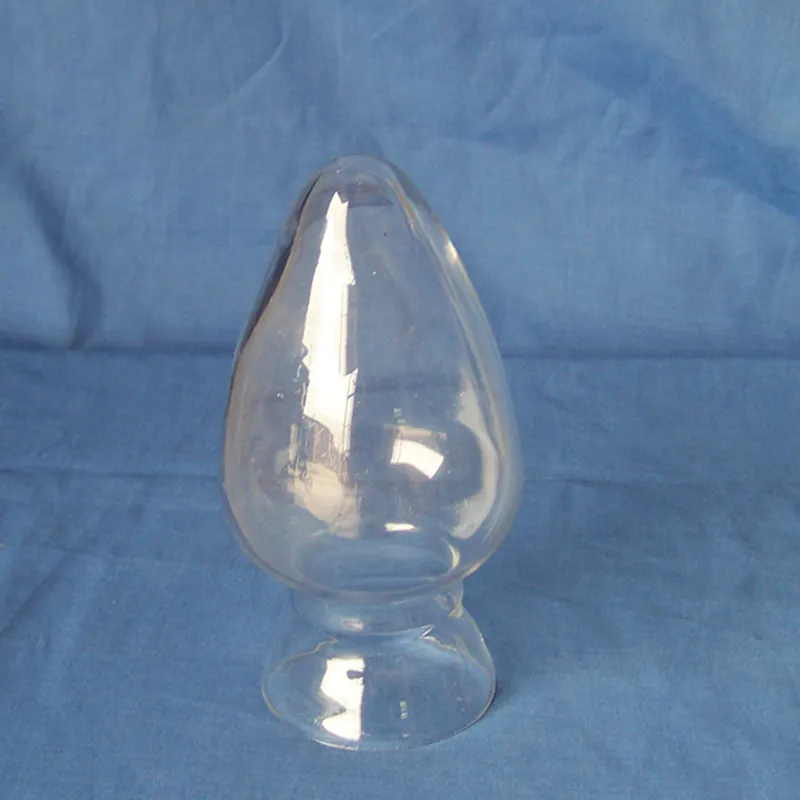
sst blood collection tubes serve as very accurate instruments for the gathering, moving, and handling of blood in clinical and hospital laboratories. Their structure keeps the samples intact for precision testing in hematology, immunology, and clinical chemistry. The sterile and pre-measured additive construction is a barrier against contamination and sample degradation. The color-coded caps and volume markings make identification and workflow easy. Consistent and reproducible results are obtained by hospitals and laboratories with the use of sst blood collection tubes, which in turn leads to fewer mistakes and faster diagnosis. These tubes have become necessary for the quality and reliability of clinical diagnostics in modern healthcare environments.

sst blood collection tubes are utilized in clinical chemistry laboratories for the automated testing of metabolic, enzymatic, and hormonal markers. The use of pre-filled additives like clot activators or anticoagulants help in maintaining the quality of the sample so that it can be analyzed with precision. Moreover, the tubes have compatibility with high-throughput centrifuges and analyzers, which results in the optimization of laboratory operations. The proper labeling and color-coding practices not only enhance traceability but also minimize pre-analytical errors. The use of sst blood collection tubes by laboratories will enable them to obtain reliable and reproducible results over different assays, thereby assisting in diagnosis, treatment planning and patient monitoring in both hospital and research settings with a high degree of accuracy.

In the future, it is possible that sst blood collection tubes will be using barcodes and RFID technologies, thus making patient sample tracking seamless. Automated systems might be set up in hospitals and laboratories to enter the collection time, patient data, and tube type automatically, which would minimize the possibility of errors occurring due to humans. If the advanced centrifuge and real-time monitoring are combined, this will lead to better sample traceability and more efficient laboratory workflow. Smart sst blood collection tubes will guarantee the provision of good-quality diagnostics at hospitals as they will be able to carry sample integrity from collection through analysis, thus ensuring leading to reproducibility of results, faster turnaround times, and reliable patient care whether in routine testing or complex clinical research applications.

The proper upkeep of sst blood collection tubes necessitates close supervision of the conditions and practices of storage and using them. Ultraviolet light, which can damage certain additives, must not shine on the tubes. Hospitals in most cases have a practice of doing regular quick eye examinations before the use of tubes to detect any faults. The storage systems must be designed such that they do not put any physical strain on the tubes but at the same time allow easy access. The observance of hygiene rules by the staff also minimizes the contamination risk. All these practices together make sst blood collection tubes reliable for daily laboratory operations and clinical testing sectors.
sst blood collection tubes are typically employed for blood collection in a matter of seconds in emergency rooms and ICU. The different colors of their caps are a sign of what kind of additive is present inside, thus making it easier for the doctors to choose the right tube for tests such as coagulation, blood chemistry, or infectious disease markers, etc. Also, these tubes can be used with vacuum-based systems for blood draw, thus providing safe and efficient collection even in hard situations. The accurate labeling and proper handling of sst blood collection tubes greatly reduce the chance of mix-ups between samples and make it possible to trace them back, thereby supporting the timely diagnostic decisions which are very important for urgent patient care in high-pressure hospital environments.
Q: What is a Blood Collection Tube used for? A: A Blood Collection Tube is used to collect and preserve blood samples for laboratory testing in hospitals and clinical laboratories. Q: Why do Blood Collection Tubes have different cap colors? A: The various colors of the caps show the specific additives that are meant for different diagnostic tests. Q: Are Blood Collection Tubes sterile? A: Absolutely, these tubes are produced in very tight sterile environments to keep them contamination-free. Q: Can Blood Collection Tubes be reused? A: The tubes are disposable and per patient use only, which is a measure to keep the patient safe and ensure the accuracy of the test. Q: How should Blood Collection Tubes be stored before use? A: Blood Collection Tubes should be stored in a recommended temperature range that is clean and dry.
The microscope delivers incredibly sharp images and precise focusing. It’s perfect for both professional lab work and educational use.
The centrifuge operates quietly and efficiently. It’s compact but surprisingly powerful, making it perfect for daily lab use.
To protect the privacy of our buyers, only public service email domains like Gmail, Yahoo, and MSN will be displayed. Additionally, only a limited portion of the inquiry content will be shown.
I’d like to inquire about your x-ray machine models. Could you provide the technical datasheet, wa...
We are planning to upgrade our imaging department and would like more information on your mri machin...
E-mail: [email protected]
Tel: +86-731-84176622
+86-731-84136655
Address: Rm.1507,Xinsancheng Plaza. No.58, Renmin Road(E),Changsha,Hunan,China


 EN
EN
 af
af
 es
es
 ar
ar
 tr
tr
 sw
sw
 pt
pt
 th
th
 ur
ur
 bn
bn
 ne
ne
 vi
vi
 km
km
 lo
lo
 de
de
 ru
ru
 fi
fi
 nl
nl
 fa
fa
 fr
fr
 ko
ko