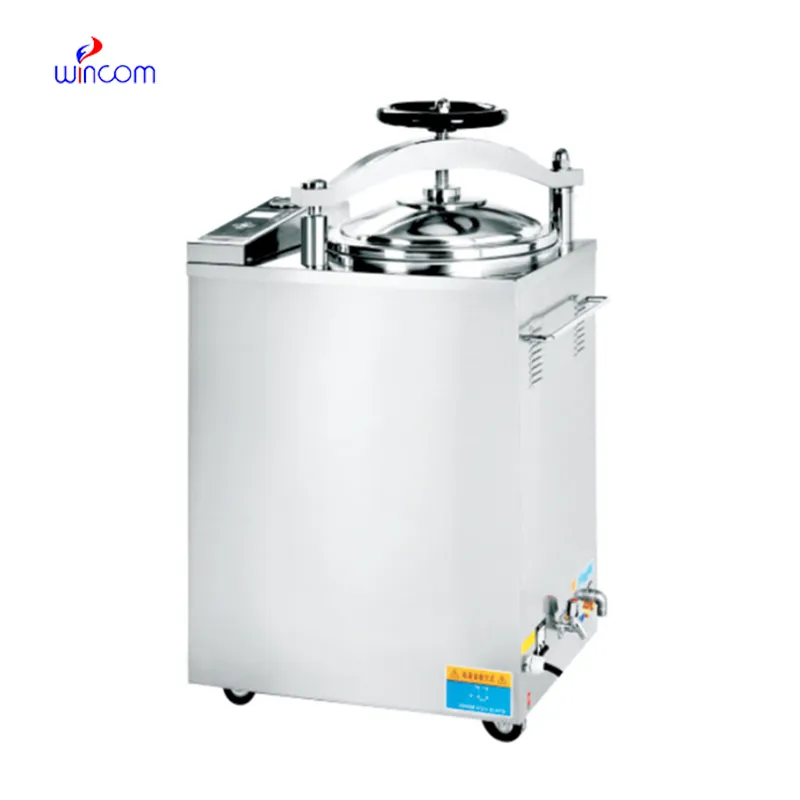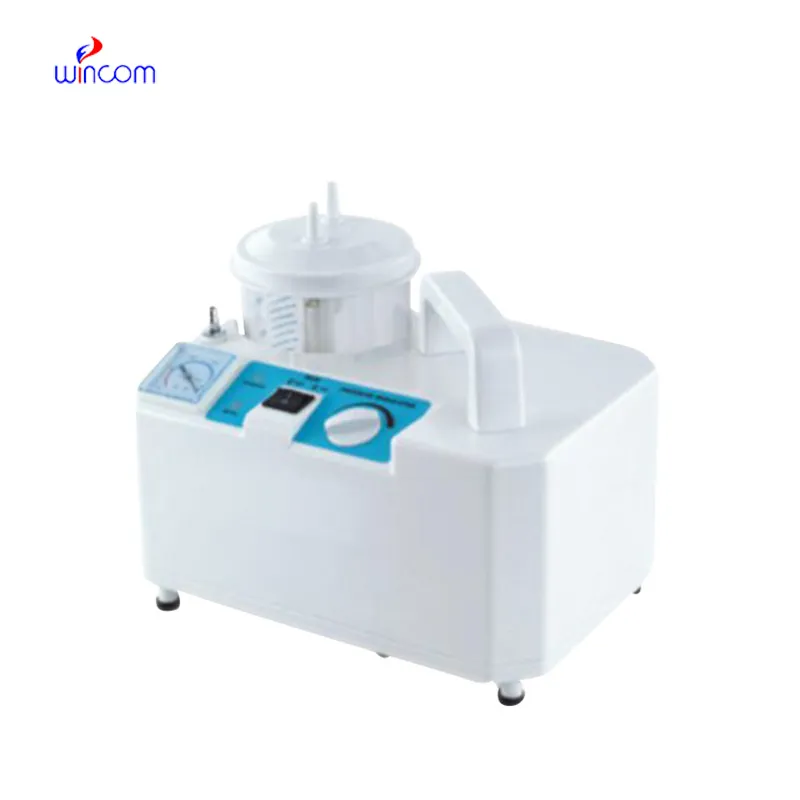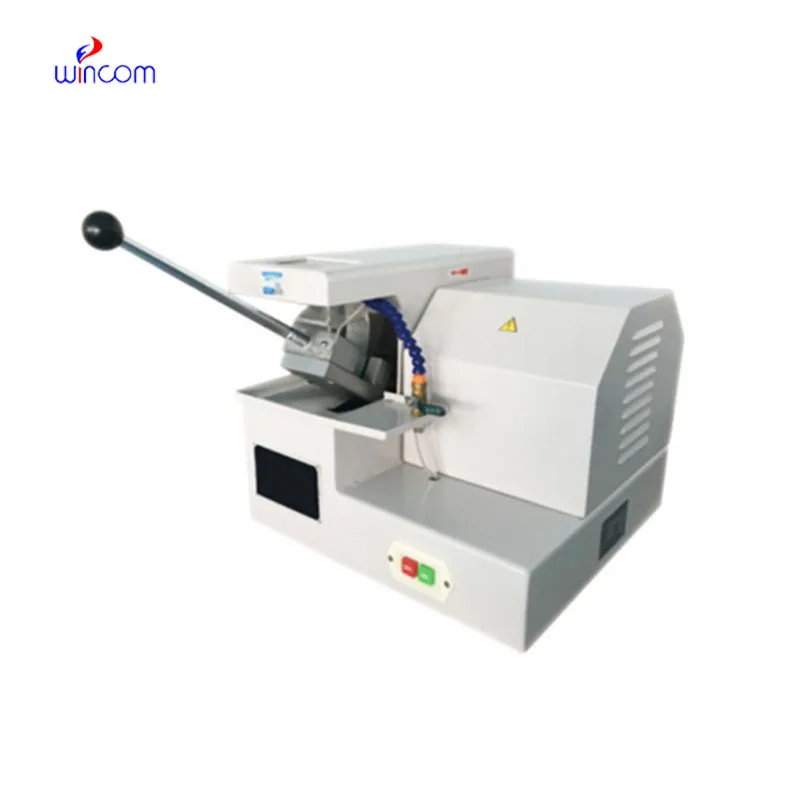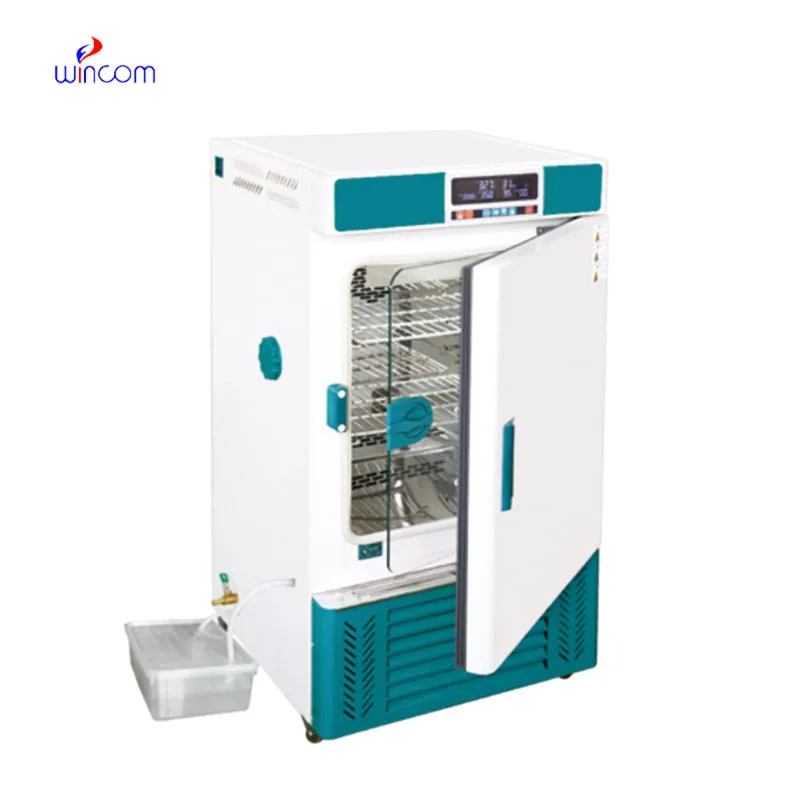
Made for regulated heating processes, the reciprocal water bath shaker is endowed with high-performance and long-lasting durability. Double-insulated to eliminate heat loss, the high-precision thermostat provides level water temperature. The digital reading of the reciprocal water bath shaker makes it easy to control and maintain. Protective features that shield against low water level and temperature overload are present in the reciprocal water bath shaker. Compact and solid, the device accommodates various laboratory procedures. The reciprocal water bath shaker provides stability and performance necessary for temperature-sensitive laboratory experimental processes.

The reciprocal water bath shaker provides a uniform platform to warm chemical and biological samples. At the academic level, it is used to instruct experimental approaches based on temperature control. In medical and chemical research labs, the reciprocal water bath shaker provides uniform heat for reactions with uniform incubation. The reciprocal water bath shaker can be utilized to dissolve molecules, evaluate the stability of products, and conduct thermal studies. With steady heat uniformity, the reciprocal water bath shaker enhances quantitative and qualitative analysis precision and serves different laboratory applications for widespread research fields.
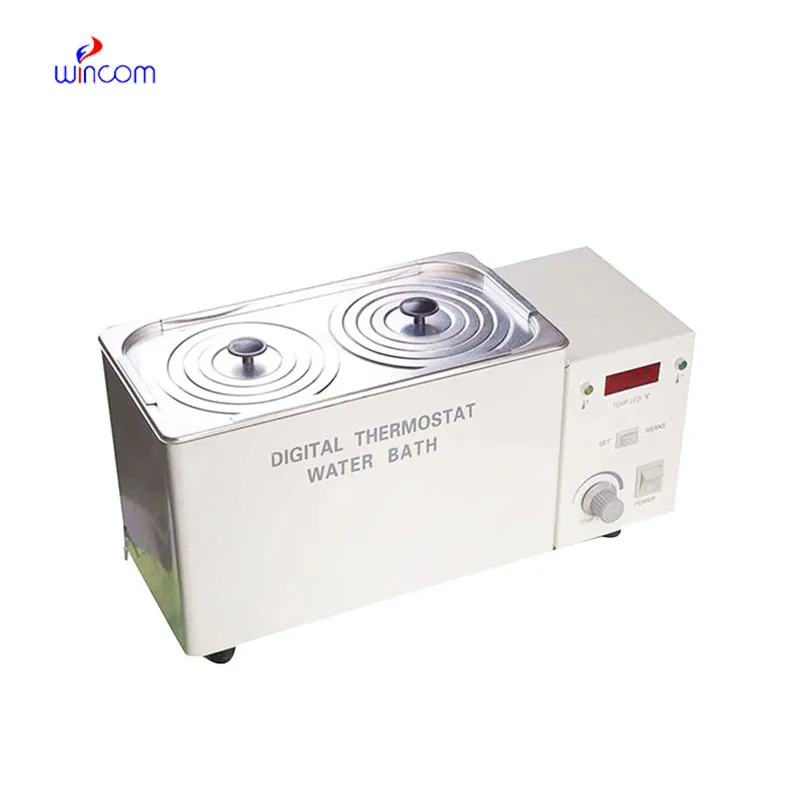
The future for the reciprocal water bath shaker is more precision and more automation. Future models will incorporate improved digital control systems through the advancement in sensor technology, providing even more precise temperature performance. The reciprocal water bath shaker will be integrated into smart laboratory networks to permit remote monitoring and data logging through cloud-based systems. The reciprocal water bath shaker will also include eco-friendly materials and energy-saving heating systems. Though labs themselves are rapidly becoming more advanced, the future generation of the reciprocal water bath shaker will emphasize flexibility, end-user safety, and integration transparency with current research pipelines.
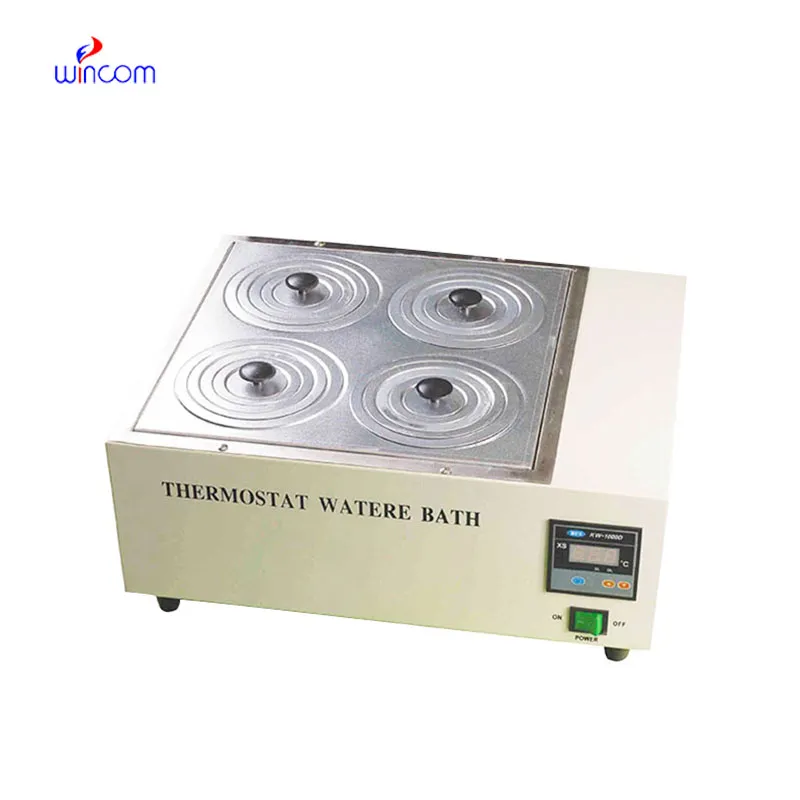
Regular maintenance keeps the reciprocal water bath shaker in good operating condition. Drain the tank every now and then and clean the interior with gentle soap and warm water. Clean well to prevent residue. Never use rough chemicals which will rust inner linings. Inspect check controls and the power cord for wear and tear, and maintain ventilation openings unobstructed. Calibration checks provide continuous temperature accuracy. Throughout normal maintenance, the reciprocal water bath shaker will provide precise and reliable heat for lab testing and research.
A reciprocal water bath shaker is an easy way to have constant temperatures for a number of laboratory applications. It possesses a heating element and thermostat to maintain the water at a level chosen by the user. Scientists rely on the reciprocal water bath shaker for incubation, chemical reaction, and sample heating operations that require accurate temperature control. The gentle circulation of the water prevents hot spots and cold spots from occurring, providing uniform heat transfer. Constructed with a strong outer casing and safety mechanisms, the reciprocal water bath shaker is a workhorse for routine and specialized lab procedures.
Q: What temperature range can a laboratory water bath typically achieve? A: Most laboratory water baths operate between ambient temperature and approximately 100°C, allowing precise control for a variety of experiments. Q: How does a water bath ensure even heating across samples? A: The circulation of water, either by convection or a built-in stirrer, ensures uniform temperature distribution throughout the chamber. Q: Why should a water bath be calibrated regularly? A: Regular calibration ensures temperature accuracy, preventing errors that could affect the results of sensitive laboratory processes. Q: What materials are commonly used in constructing a water bath? A: High-quality stainless steel is typically used for the inner chamber to resist corrosion and ensure durability under continuous heating. Q: How can overheating be prevented when using a water bath? A: Many modern units feature automatic temperature cutoffs and alarms that activate if the set temperature exceeds safe limits.
This x-ray machine is reliable and easy to operate. Our technicians appreciate how quickly it processes scans, saving valuable time during busy patient hours.
We’ve been using this mri machine for several months, and the image clarity is excellent. It’s reliable and easy for our team to operate.
To protect the privacy of our buyers, only public service email domains like Gmail, Yahoo, and MSN will be displayed. Additionally, only a limited portion of the inquiry content will be shown.
We’re currently sourcing an ultrasound scanner for hospital use. Please send product specification...
Could you share the specifications and price for your hospital bed models? We’re looking for adjus...
E-mail: [email protected]
Tel: +86-731-84176622
+86-731-84136655
Address: Rm.1507,Xinsancheng Plaza. No.58, Renmin Road(E),Changsha,Hunan,China


 EN
EN
 af
af
 es
es
 ar
ar
 tr
tr
 sw
sw
 pt
pt
 th
th
 ur
ur
 bn
bn
 ne
ne
 vi
vi
 km
km
 lo
lo
 de
de
 ru
ru
 fi
fi
 nl
nl
 fa
fa
 fr
fr
 ko
ko