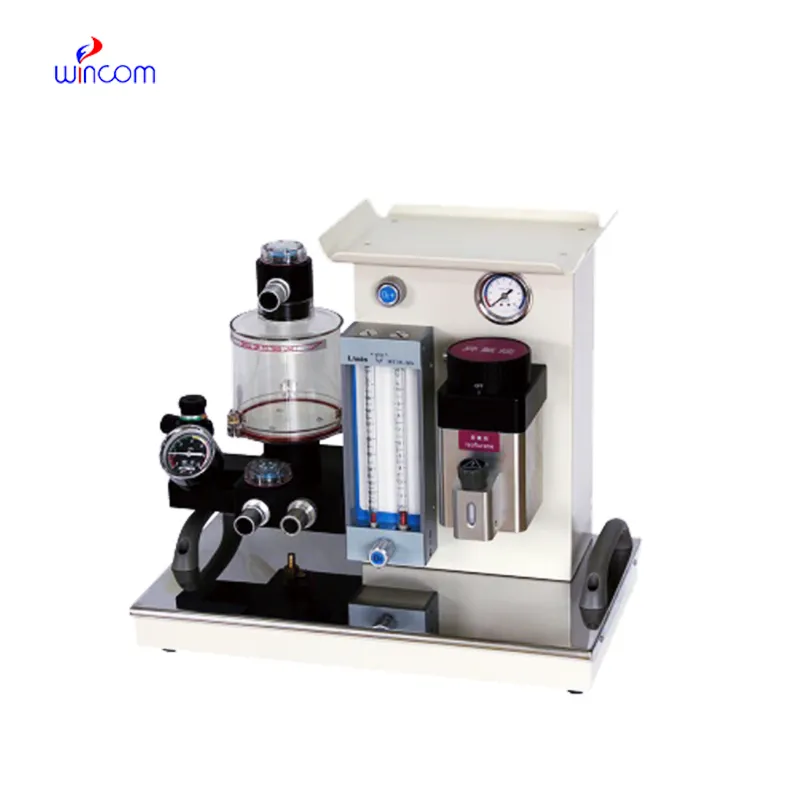
mouse anesthesia machine is an essential healthcare apparatus in medical facilities, which supports the safe delivery of anesthetic gas and patient ventilation at the same time. Its alert systems give immediate information about oxygen levels, breathing, and airway pressures, thus ensuring the anesthesiologists' control over sedation stability. The device is used in surgery rooms, casualty departments, and laboratory-based clinical research for the purpose of precise anesthesia administration. The combination of vaporizers, flow meters, and alarms guarantees both safety and flexibility. mouse anesthesia machine support faster procedures, ease the monitoring process, and minimize the chance of complications happening during both ordinary and intricate clinical interventions.

mouse anesthesia machine finds its place in diagnostic and interventional procedures where sedation is needed but not full surgical anesthesia. Imaging-guided interventions or endoscopic examinations usually require controlled sedation and also airway support. The equipment gives the practitioners the power to control the patient's respiration, at the same time keeping the anesthetic at the correct level. Its usage provides relief for the patient and also enhances the precision of the procedure. By enabling non-surgical medical methods, mouse anesthesia machine increases the area of anesthesia management from the operating room to different hospital wards.
It is expected that the integration of remote monitoring technologies will greatly influence the development in mouse anesthesia machine. Anesthesiologists would be able to monitor several machines from main control rooms located in hospitals. This method helps not only to increase but also to facilitate the work flow and rapid reactions in large medical centers. In hospitals where teaching takes place, remote access may also be a powerful tool for education and supervision. The ever-increasing connectivity indicates that mouse anesthesia machine will be included in the extensive monitoring ecosystems of the entire hospital.
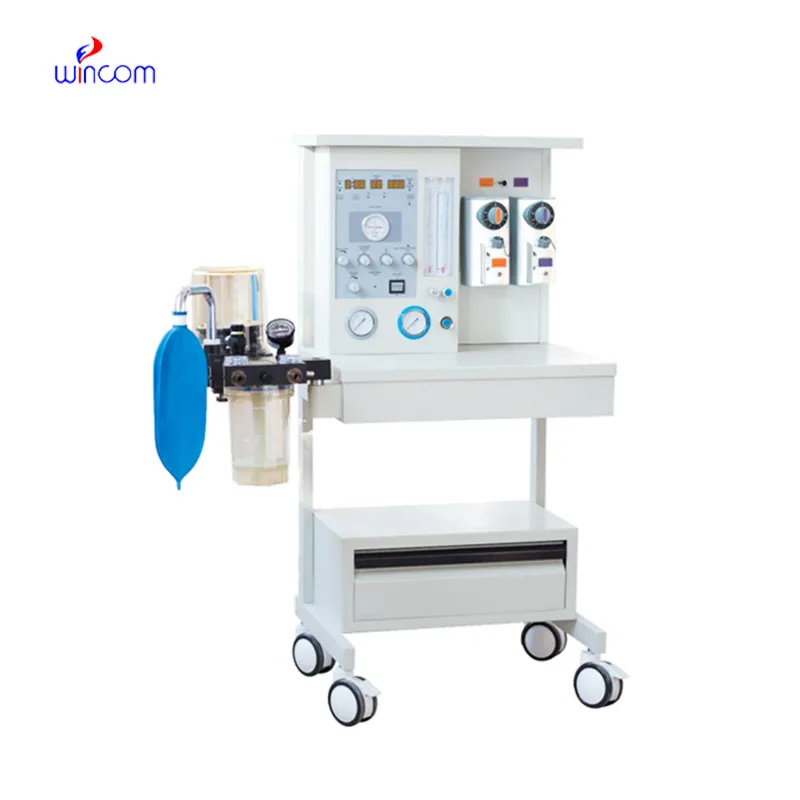
The mouse anesthesia machine ventilation systems ought to be kept operational at all times to provide uninterrupted respiratory assistance. The filters must be changed at the proposed times to avoid their being clogged and dirty. The mechanical parts need to be checked in order to have good airflow and pressure regulation. In ICU and operating rooms, well-functioning ventilation systems minimize the hazards of long anesthesia use. They become part of the hospital's dependence on these devices' performance in the most challenging environments.
mouse anesthesia machine are the key factor in anesthesia management of surgical and critical care units. It offers ventilatory support, delivery of O2, and control of anesthetic gases automatically which together make the process of sedating very reliable.surgeries. It is the device's accuracy that hospitals rely on to keep the patients in a stable condition throughout the procedure. Furthermore, the device’s built-in monitoring functions such as pressure sensors and flow meters, give anesthesiologists the power to adapt the settings based on the real-time physiological data thus making patient care and safety consistent.
Q: What maintenance personnel service an Anesthesia Machine? A: Mostly bio-med engineers or skilled technicians do the technical maintenance. Q: Can the machine be used for both general and regional anesthesia? A: Yes, it accepts the different anesthesia techniques from the clinician’s perspective. Q: Does the device record anesthesia data? A: Data is stored for reviewing and reporting in some models. Q: How does the machine handle excess anesthetic gases? A: The waste gases are removed from the case through scavenging systems. Q: Is the Anesthesia Machine regulated for hospital use? A: Indeed, it has to follow the medical device standards and regulations.
The water bath performs consistently and maintains a stable temperature even during long experiments. It’s reliable and easy to operate.
The hospital bed is well-designed and very practical. Patients find it comfortable, and nurses appreciate how simple it is to operate.
To protect the privacy of our buyers, only public service email domains like Gmail, Yahoo, and MSN will be displayed. Additionally, only a limited portion of the inquiry content will be shown.
We are planning to upgrade our imaging department and would like more information on your mri machin...
We’re currently sourcing an ultrasound scanner for hospital use. Please send product specification...
E-mail: [email protected]
Tel: +86-731-84176622
+86-731-84136655
Address: Rm.1507,Xinsancheng Plaza. No.58, Renmin Road(E),Changsha,Hunan,China


 EN
 af
 es
 ar
 tr
 sw
 pt
 th
 ur
 bn
 ne
 vi
 km
 lo
 de
 ru
 fi
 nl
 fa
 fr
 ko