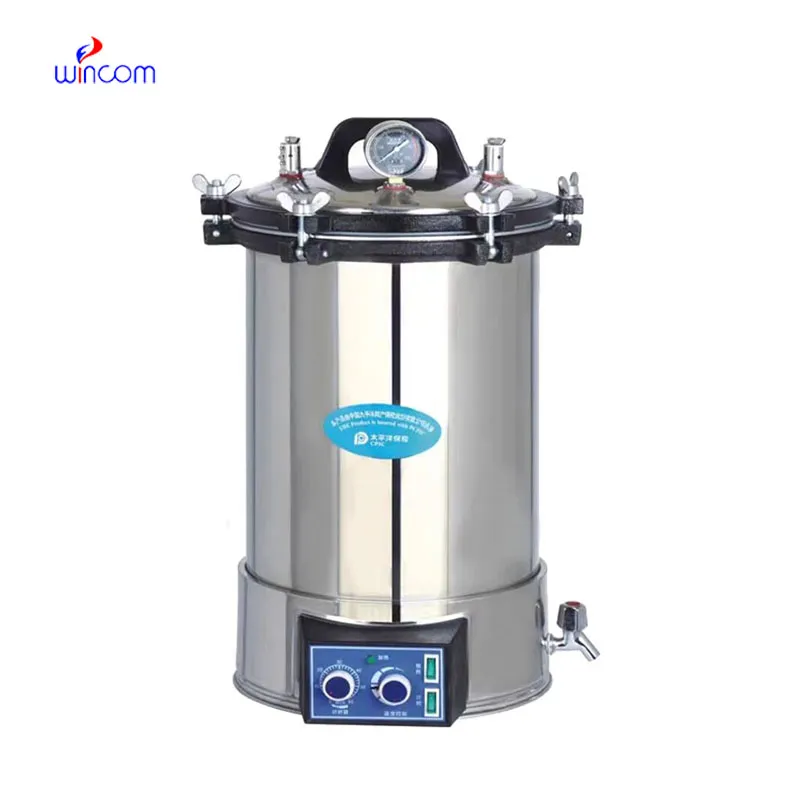
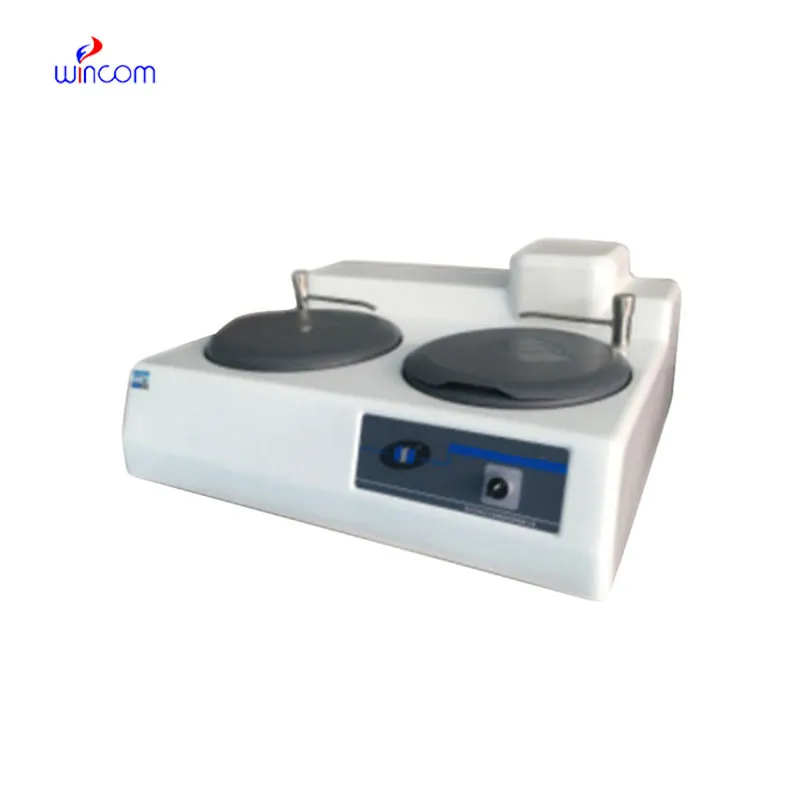
Ideal to aid laboratory precision, the lab water baths and circulating baths offers better temperature control and uniformity. It is intended for applications that need stable temperatures, for example, reagent preparation or incubation. The system has an integrated thermostat that automatically regulates the set temperature range. The wear-resistant and corrosion-resistant materials employed in the lab water baths and circulating baths enable continuous use. The smooth bore facilitates easy cleaning, and the compact size optimizes workspace efficiency. The lab water baths and circulating baths offers excellent temperature control for test and research situations.

The lab water baths and circulating baths is used worldwide in analytical, educational, and industrial laboratories. It offers regulated temperature conditions for the incubation of samples, preheating of reagents, and testing of materials. In biotechnology, the lab water baths and circulating baths offers ideal temperatures for enzyme and cell-catalyzed reactions. It is also applied in the manufacture of pharmaceuticals to offer reliable heat in tests. As a result of its precise and consistent control of temperature, the lab water baths and circulating baths ensures the reproducibility of experiments and is hence an essential tool in temperature-sensitive laboratory operations.
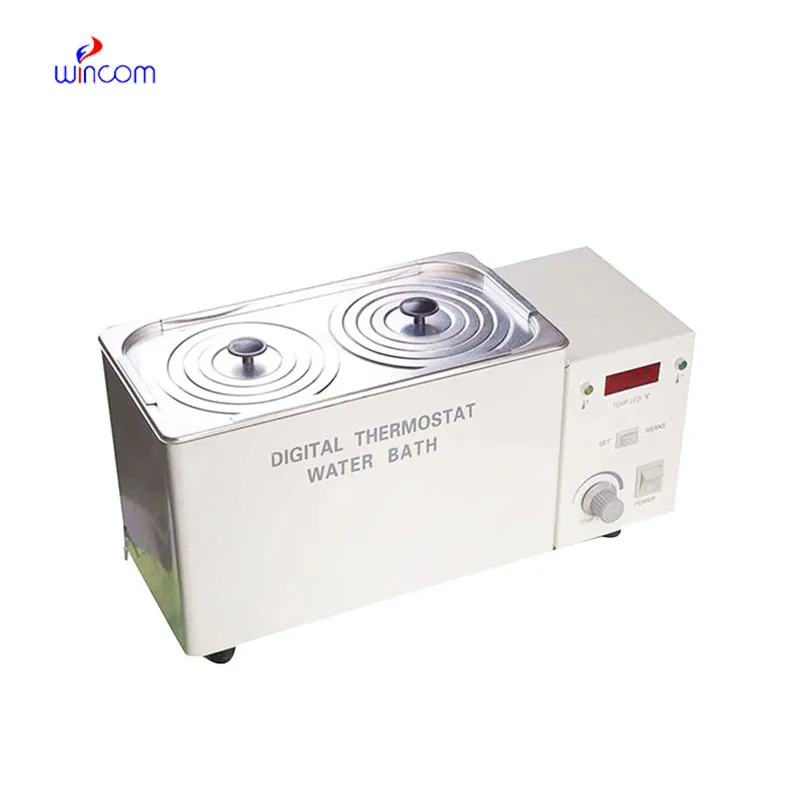
The future of lab water baths and circulating baths is one of automation and intelligent design. Intelligent diagnostics will be built into the new models that recognize abnormal temperature behavior and adjust in real-time. Integration into digital laboratory platforms will allow for data synchronization for traceability and compliance. The lab water baths and circulating baths will be more energy efficient with smarter heating coils and improved insulators. Because labs demand higher accuracy and environmental sensitivity, the lab water baths and circulating baths will remain a standard in today's research laboratories.
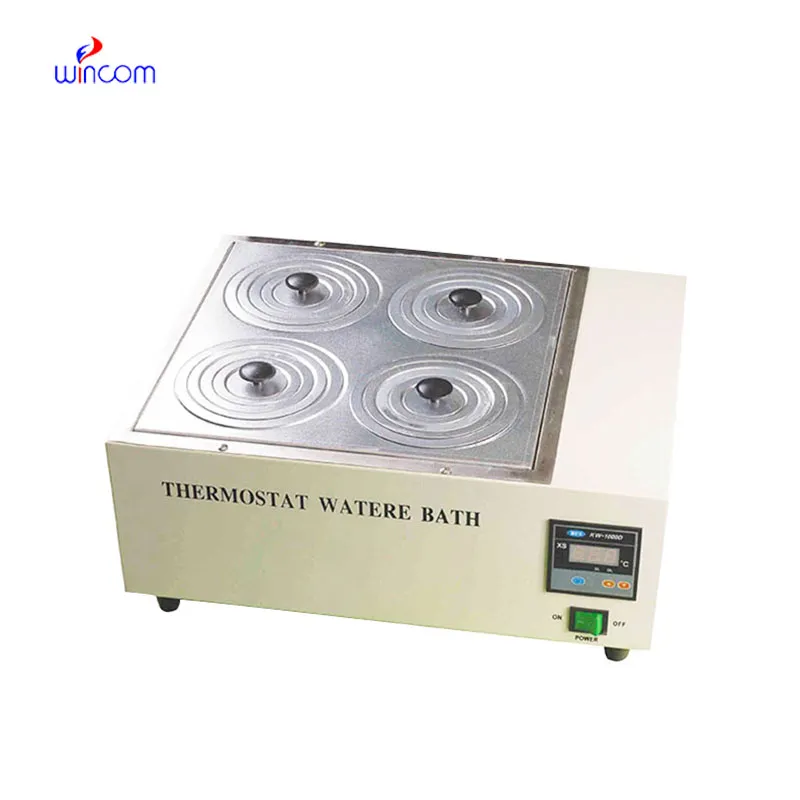
Routine maintenance procedures need to be performed by the users to make the lab water baths and circulating baths function properly. Clean the tank every week to remove mineral buildup or chemical residue. Scaling and corrosion are prevented through the use of distilled water. Dry parts completely after cleaning before filling up. The heating coil and temperature sensor should be checked for build-up or debris. Electrical components should not be submerged in water when cleaning. Proper routine maintenance makes the lab water baths and circulating baths accurate, safe, and efficient to utilize over a long period of time.
A lab water baths and circulating baths is an easy way to have constant temperatures for a number of laboratory applications. It possesses a heating element and thermostat to maintain the water at a level chosen by the user. Scientists rely on the lab water baths and circulating baths for incubation, chemical reaction, and sample heating operations that require accurate temperature control. The gentle circulation of the water prevents hot spots and cold spots from occurring, providing uniform heat transfer. Constructed with a strong outer casing and safety mechanisms, the lab water baths and circulating baths is a workhorse for routine and specialized lab procedures.
Q: What temperature range can a laboratory water bath typically achieve? A: Most laboratory water baths operate between ambient temperature and approximately 100°C, allowing precise control for a variety of experiments. Q: How does a water bath ensure even heating across samples? A: The circulation of water, either by convection or a built-in stirrer, ensures uniform temperature distribution throughout the chamber. Q: Why should a water bath be calibrated regularly? A: Regular calibration ensures temperature accuracy, preventing errors that could affect the results of sensitive laboratory processes. Q: What materials are commonly used in constructing a water bath? A: High-quality stainless steel is typically used for the inner chamber to resist corrosion and ensure durability under continuous heating. Q: How can overheating be prevented when using a water bath? A: Many modern units feature automatic temperature cutoffs and alarms that activate if the set temperature exceeds safe limits.
The centrifuge operates quietly and efficiently. It’s compact but surprisingly powerful, making it perfect for daily lab use.
We’ve been using this mri machine for several months, and the image clarity is excellent. It’s reliable and easy for our team to operate.
To protect the privacy of our buyers, only public service email domains like Gmail, Yahoo, and MSN will be displayed. Additionally, only a limited portion of the inquiry content will be shown.
We’re interested in your delivery bed for our maternity department. Please send detailed specifica...
Hello, I’m interested in your water bath for laboratory applications. Can you confirm the temperat...
E-mail: [email protected]
Tel: +86-731-84176622
+86-731-84136655
Address: Rm.1507,Xinsancheng Plaza. No.58, Renmin Road(E),Changsha,Hunan,China


 EN
EN
 af
af
 es
es
 ar
ar
 tr
tr
 sw
sw
 pt
pt
 th
th
 ur
ur
 bn
bn
 ne
ne
 vi
vi
 km
km
 lo
lo
 de
de
 ru
ru
 fi
fi
 nl
nl
 fa
fa
 fr
fr
 ko
ko