The functional design of continuous flow portable oxygen concentrators puts emphasis on the stability of oxygen generation and control over its delivery. By removing oxygen from the ambient air, it guarantees an uninterrupted flow that is fit for therapeutic medical uses. This is the design hospitals use to provide respiratory therapy without having to frequently change the equipment. Its controlled functioning conforms to the clinical protocols in all wards and treatment rooms. This description makes it clear that the device is a reliable source of oxygen in healthcare institutions.

continuous flow portable oxygen concentrators is utilized in standard hospital wards as a device to support the patients needing oxygen therapy either constantly or intermittently. The medical personnel use the machine for securing proper oxygen saturation levels while the patient is undergoing regular treatments and check-ups. The device's continuous output allows the patient to get uninterrupted oxygen supply all day long. The device has different flow settings which facilitate the making of personalized care plans. In congested ward settings, continuous flow portable oxygen concentrators contributes to the reduction of the use of oxygen cylinders while at the same time providing dependable respiratory support to patients who stay in the hospital for a longer period of time.
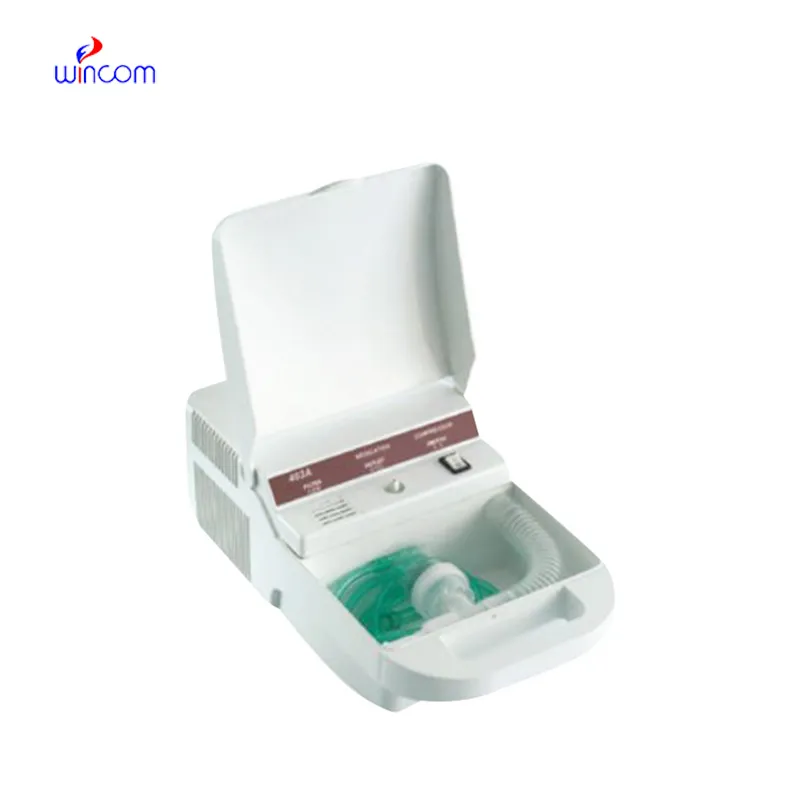
It is possible that the future advancements of continuous flow portable oxygen concentrators will consist of better toughness that will be for the entire hospital use. The materials and the inner working systems can be adjusted to the point where they can endure more extended operating hours and still have a very little performance variation. This will be great for the department that requires a lot of supplies, like ICU. A stable and long-lasting operation translates into a reduction of downtime and maintenance. Hospitals will have to depend on oxygen concentrator models that are more durable as their patient intakes grow.
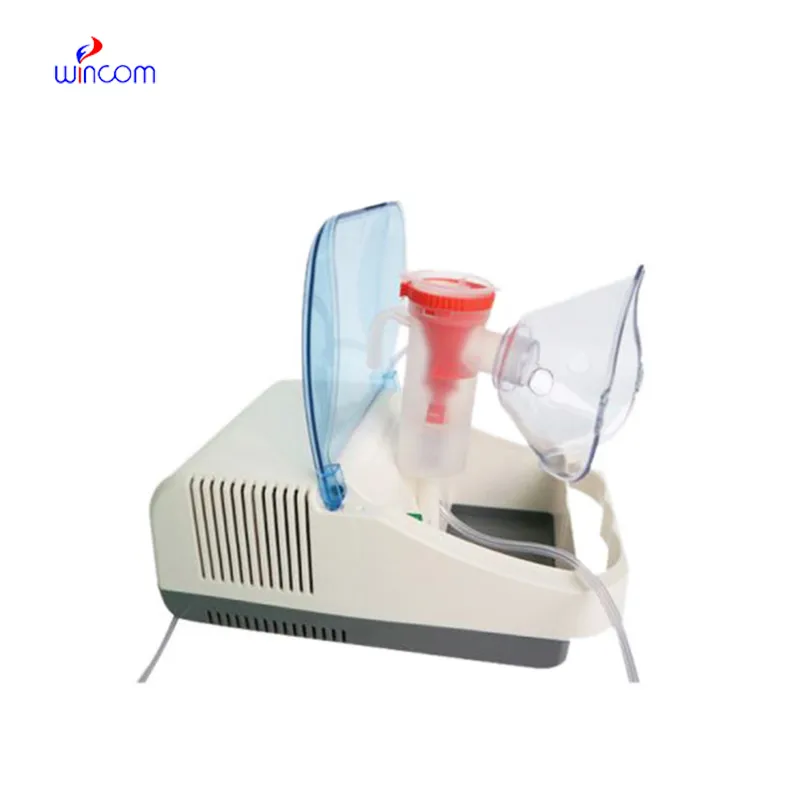
The personnel dealing with continuous flow portable oxygen concentrators are responsible for observing the alarms and indicators of the devices every day. Alerts might indicate problems like low oxygen output, disconnection of tubing, or physical stress. Daily checking of the device calibration and sensors guarantees precise measurement of the oxygen concentration. The timely response to alarms in both clinical and laboratory settings eliminates the chances of complications. Regular preventive maintenance is a step forward in minimizing the risk of equipment failure. Hospitals that create and follow systematic inspection and care schedules have a dependable oxygen supply, thus contributing to the safety of the patients in the operating rooms, emergency wards, and ICU units.
In recovery units after surgery, continuous flow portable oxygen concentrators is particularly applied to assist patients to return to a stable breathing state after being put under anesthesia. The gradual flow of oxygen suffices to keep the oxygen saturation in the blood at proper levels during the early recovery phase. Hospital personnel observe the patients and change the rates as per the needs. The apparatus guarantees that during this crucial period, oxygen will never run out. Besides, the use of continuous flow portable oxygen concentrators in recovery departments is indicative of its adaptability to various parts of hospital patient treatment.
Q: What is the main difference between an Oxygen Concentrator and an oxygen cylinder? A: A: An oxygen concentrator builds oxygen from the air, this means there is no need for cylinders to be refilled, while an oxygen cylinder only dispenses oxygen. Q: Will it be alright for the patients suffering from chronic respiratory diseases? A: Yes, in case of COPD or severe asthma, it is an oxygen therapy that lasts indefinitely. Q: Will it be a good choice for laboratory purposes? A: Yes, it is a major contributor to the provision of controlled oxygen in medical research or the conducting of experiments where stable oxygen levels are a must. Q: What is the process for oxygen flow adjustment? A: The patient’s oxygen volume can be easily set by the staff using flow meters and knobs. Q: What needs to be done for the appliance to be maintained? A: Cleaning filters on a regular basis and inspecting the tubing, as well as monitoring of alarms, will ensure the machine performs properly all the time.
The microscope delivers incredibly sharp images and precise focusing. It’s perfect for both professional lab work and educational use.
This ultrasound scanner has truly improved our workflow. The image resolution and portability make it a great addition to our clinic.
To protect the privacy of our buyers, only public service email domains like Gmail, Yahoo, and MSN will be displayed. Additionally, only a limited portion of the inquiry content will be shown.
Hello, I’m interested in your water bath for laboratory applications. Can you confirm the temperat...
I’d like to inquire about your x-ray machine models. Could you provide the technical datasheet, wa...
E-mail: [email protected]
Tel: +86-731-84176622
+86-731-84136655
Address: Rm.1507,Xinsancheng Plaza. No.58, Renmin Road(E),Changsha,Hunan,China


 EN
 af
 es
 ar
 tr
 sw
 pt
 th
 ur
 bn
 ne
 vi
 km
 lo
 de
 ru
 fi
 nl
 fa
 fr
 ko