In the hospitals, china serum blood collection tubes give a sure way of collecting blood with the least danger of hemolysis or contamination. Tubes are for specific laboratory tests with anticoagulants or clotting factors as additives. Their compatibility with automated laboratory systems boosts efficiency and lessens errors due to manual handling. Color coding and labeling help to easily identify and trace samples. By maintaining the quality of the samples, china serum blood collection tubes enable precise lab testing, thus allowing doctors to make decisions depending on trustworthy diagnostic data. These tubes are needed for both daily patient supervision and specific clinical testing.

Infectious disease units utilize china serum blood collection tubes to obtain blood for detection of pathogens, serology, and molecular diagnostics. Their sterile construction along with chemical additives help in the stabilization of samples for the testing process thus giving accurate results. Hospital personnel place colored caps on the tubes according to a code indicating the assays to which the tubes are assigned, thus facilitating prompt processing and lessening the risk of contamination. Tubes are compatible with automated analyzers which makes them a part of the efficient workflow in high-demand environments. The use of china serum blood collection tubes in these units allows healthcare facilities to keep a constant and prompt detection of infections thus providing a better patient safety and support in the infection control protocols as well.
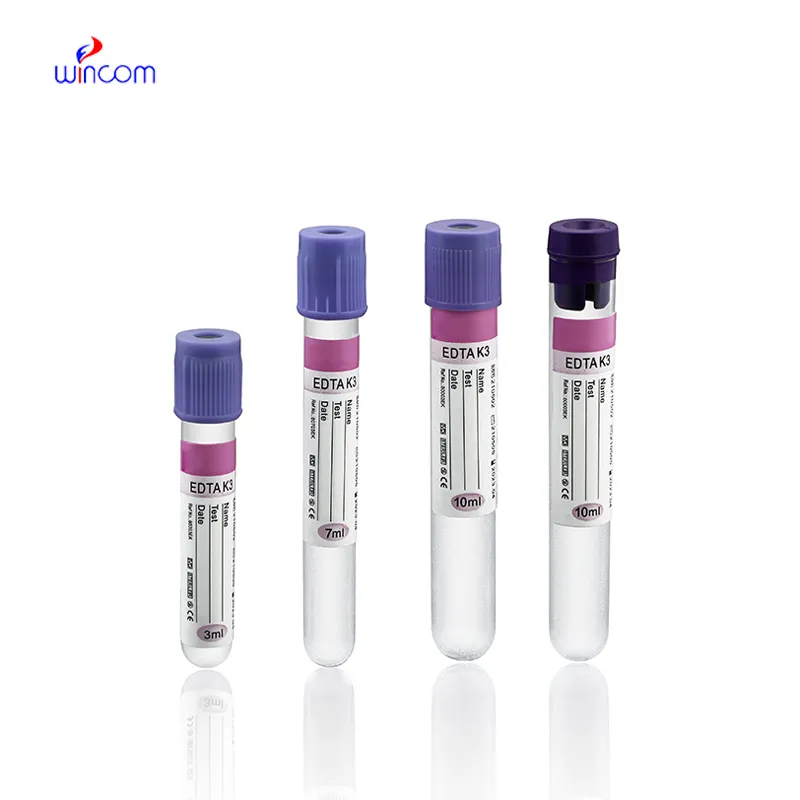
The evolution of china serum blood collection tubes will surely bring small and light designs for field hospitals, mobile clinics, or decentralized laboratory testing. Tubes will likely be improved with better ventilation to withstand harsh temperatures and rough handling during transport, thus providing reliable sample collection even out of the classic hospital settings. These tubes might be given to hospitals for emergency or community testing programs. Advanced pre-measured additives and color-coded identification will preserve accuracy even in non-traditional settings. Future china serum blood collection tubes will feature already mentioned characteristics plus compatibility with automated analysis systems ensuring flexible clinical as well as research workflows.
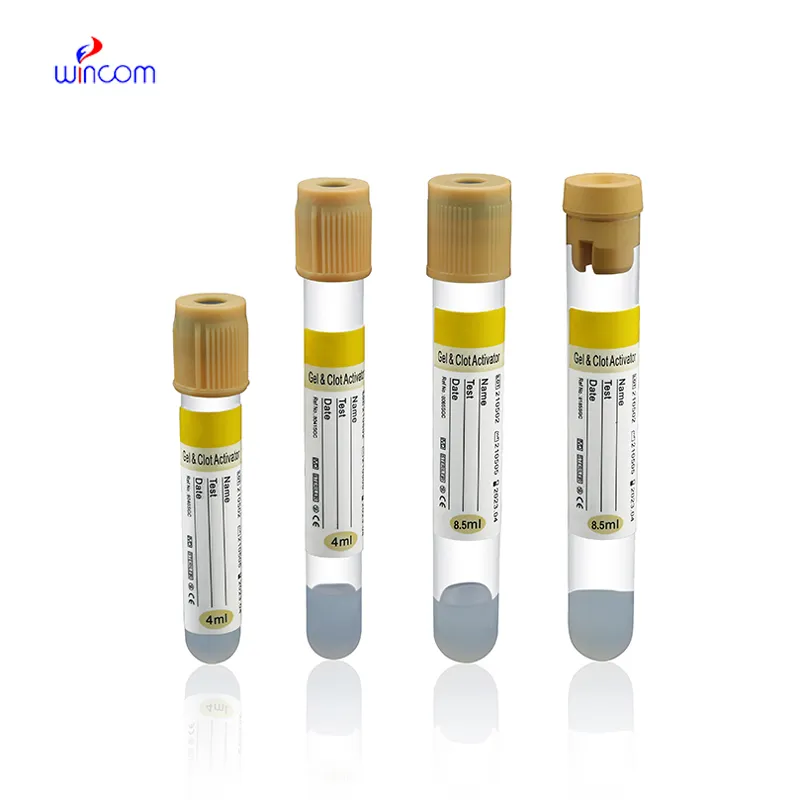
china serum blood collection tubes continue to pose a challenge, but the risks associated with them can be effectively managed through proper inventory control and storage practices. The degradation of additives can be prevented by storing the tubes within the recommended temperature ranges. To limit the exposure to contaminants, hospitals usually provide certain storage cabinets. Conducting periodic audits helps to discover tubes that have expired or become damaged before clinical use. During storage, laboratory staff should also check the accuracy of the color coding and labeling. These practices not only minimize pre-analytical risks but also keep diagnostic results consistent, therefore, china serum blood collection tubes are always ready to be used in daily laboratory and hospital operations as they are expected to perform.
In pediatric departments, china serum blood collection tubes are aimed at taking smaller blood volumes while keeping safety and precision. Color-coded caps are of great help to the staff in distinguishing the correct additive for each test type, ranging from hematology to molecular diagnostics. Pre-calibrated tubes lessen handling mistakes and produce reliable results even in the case of small sample volumes. Their sterile design cuts down the risk of infection, which is also very important in case of vulnerable patient groups. china serum blood collection tubes have a significant impact on the accuracy of diagnosis and monitoring of children in hospitals and clinics, they provide a support of safe and efficient blood collection in sensitive clinical environments.
Q: What is the purpose of Blood Collection Tubes in emergency departments? A: The main function is to facilitate quick and secure blood collection for urgent diagnostic tests. Q: Are Blood Collection Tubes suitable for infants and children? A: Absolutely, there are specialized smaller-volume tubes for both pediatric and neonate applications. Q: What is the procedure when a Blood Collection Tube gets broken? A: The broken tubes cannot be used and should be disposed of per the hospital's rules. Q: Will Blood Collection Tubes leak if there is an accident? A: Leakage during handling and transport is minimized through the secure caps that are designed for these tubes. Q: What methods do hospitals use for tracking Blood Collection Tubes? A: A number of hospitals are using either labeling or barcode systems for sample identification and traceability.
This x-ray machine is reliable and easy to operate. Our technicians appreciate how quickly it processes scans, saving valuable time during busy patient hours.
The water bath performs consistently and maintains a stable temperature even during long experiments. It’s reliable and easy to operate.
To protect the privacy of our buyers, only public service email domains like Gmail, Yahoo, and MSN will be displayed. Additionally, only a limited portion of the inquiry content will be shown.
Hello, I’m interested in your water bath for laboratory applications. Can you confirm the temperat...
Could you share the specifications and price for your hospital bed models? We’re looking for adjus...
E-mail: [email protected]
Tel: +86-731-84176622
+86-731-84136655
Address: Rm.1507,Xinsancheng Plaza. No.58, Renmin Road(E),Changsha,Hunan,China


 EN
 af
 es
 ar
 tr
 sw
 pt
 th
 ur
 bn
 ne
 vi
 km
 lo
 de
 ru
 fi
 nl
 fa
 fr
 ko