
Blog
Un cirujano no sólo trabaja con habilidad. Un cirujano también trabaja con la luz, y eso importa más de lo que la gente piensa. Durante una operación, una pequeña sombra puede ocultar un vaso, difuminar el borde del tejido o hacer que la línea de sutura sea más difícil de juzgar. Y una iluminación deficiente puede ralentizar a todo el equipo cuando la velocidad y la precisión son importantes.
Las lámparas quirúrgicas modernas no son simples lámparas de ambiente. Son herramientas clínicas destinadas a respaldar la visibilidad, el reconocimiento de tejidos, la coordinación ojo-mano y la seguridad del paciente. Un buen sistema de iluminación para quirófano combina rendimiento óptico con diseño ergonómico, salida estable e incluso opciones prácticas de instalación. Los hospitales, clínicas y equipos de adquisiciones deben evaluar estas lámparas con la misma seriedad que utilizan para otros equipos médicos.
Muchos compradores comienzan con el brillo, pero centrarse únicamente en los lux no define una buena iluminación quirúrgica. Lux mide la intensidad de la luz sobre una superficie. Un valor de lux alto ayuda, pero el cirujano también necesita colores precisos, enfoque estable, bajo brillo y un campo de luz útil.
El índice de reproducción cromática, o CRI, es tan importante como lo es para determinar la calidad de la iluminación. Básicamente, el CRI describe la fidelidad con la que una fuente de luz muestra el color en comparación con la luz del día o la luz "real". En cirugía, esto realmente importa porque cambia la capacidad de los médicos para distinguir la sangre arterial de la sangre venosa, detectar diferentes capas de tejido, juzgar el sangrado y notar esos pequeños cambios en la superficie de los órganos. Una lámpara puede parecer muy brillante pero aún así ser un poco inútil si deforma los tonos rojos, amarillos o azules.
La temperatura del color también impulsa el confort visual durante el trabajo. Muchas luces LED para quirófano tienen un rango ajustable o una configuración similar a la luz del día, porque los cirujanos quieren una visión bastante neutral del tejido durante operaciones prolongadas. Si la luz parece demasiado cálida, el contraste puede disminuir en la práctica. Si la luz se siente demasiado fría, puede provocar fatiga ocular y el tejido puede terminar luciendo extraño o escenificado. Cuando el espectro está equilibrado, el equipo puede mantener la precisión visual sin necesidad de realizar ajustes mentales constantes a mitad del procedimiento.
La reducción de sombras es otro principio fundamental. Las luces tradicionales de una sola fuente pueden crear sombras intensas cuando la cabeza, las manos o los instrumentos del cirujano se mueven por el campo. Los conjuntos de LED de múltiples fuentes reducen este problema al enviar luz desde varios ángulos hacia el mismo objetivo. Cuando un camino está bloqueado, otros rayos continúan iluminando el sitio. Esta es la razón por la que las lámparas quirúrgicas modernas sin sombras suelen parecer más claras y estables que los sistemas halógenos más antiguos.
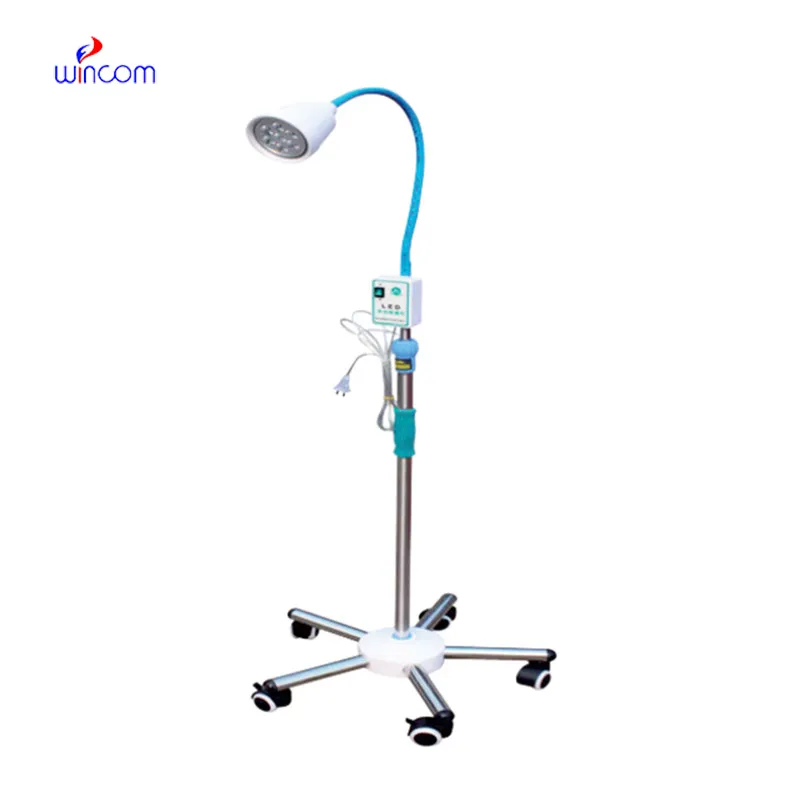
Una buena iluminación cambia la forma en que un equipo quirúrgico realiza pequeñas acciones. Una cavidad profunda, una incisión estrecha o un implante reflectante pueden desafiar la vista incluso cuando la habitación parece iluminada. La lámpara debe iluminar el área de trabajo, no sólo la superficie.
La profundidad del campo es importante en procedimientos en los que el cirujano se mueve entre estructuras superficiales y profundas. Una zona focal poco profunda puede obligar a reposicionar frecuentemente la lámpara. Cada ajuste interrumpe el ritmo y puede distraer al equipo. Una lámpara operatoria bien diseñada mantiene el sitio quirúrgico visible en un rango de profundidad útil, para que el cirujano pueda trabajar con menos interrupciones.
La luz estable también reduce la fatiga visual. Durante un caso largo, los ojos se adaptan constantemente al contraste, el resplandor, las sombras y los cambios de color. La salida LED sin parpadeo favorece la concentración porque el campo visual permanece constante. Este beneficio es fácil de pasar por alto, pero tiene un valor clínico real. La fatiga no siempre aparece de repente. Se desarrolla lentamente a medida que el cirujano pasa horas tomando decisiones precisas en condiciones exigentes.
La producción de calor merece la misma atención. Las lámparas halógenas más antiguas pueden producir un calor infrarrojo considerable. Ese calor puede hacer que el área operatoria sea incómoda y puede contribuir al secado del tejido durante los procedimientos abiertos. Las luces quirúrgicas LED suelen emitir menos calor radiante hacia la herida. Esto ayuda a proteger el tejido expuesto y mejora la comodidad tanto para el paciente como para el personal.
Los hospitales todavía comparan lámparas LED, halógenas y de xenón cuando planifican quirófanos o actualizan sistemas más antiguos. Cada tecnología tiene su lugar, pero la LED se ha convertido en la opción habitual para muchas instalaciones modernas.
| Tipo de iluminación | Fortalezas | Limitaciones | Mejor ajuste |
|---|---|---|---|
| CONDUJO | Larga vida útil, menor calor, menor uso de energía, producción estable | Mayor costo inicial en algunos sistemas. | Cirugía general, clínicas, modernas mejoras en el quirófano. |
| Halógeno | Tecnología familiar, menor costo inicial | Más calor, vida útil más corta de la bombilla, más mantenimiento | Sistemas heredados o necesidades de reemplazo de bajo presupuesto |
| Xenón | Brillo muy alto y luz blanca intensa. | Mayor calor, mayor mantenimiento, uso especializado | Procedimientos seleccionados que necesitan luminosidad intensa |
El coste total de propiedad suele favorecer a los LED. Una lámpara más barata puede resultar costosa si necesita cambios frecuentes de bombillas, consume más energía o aumenta el tiempo de inactividad por mantenimiento. Los sistemas LED pueden durar decenas de miles de horas, según el diseño y las condiciones de uso. Esta vida útil más larga ayuda a los equipos de adquisiciones a justificar la inversión inicial durante un ciclo de planificación de instalaciones de siete a diez años.
La elección correcta no debería depender únicamente del precio. Los compradores deben comparar el rendimiento clínico, la carga de mantenimiento, la disponibilidad de repuestos y el soporte del proveedor. Una lámpara que funciona bien todos los días es más valiosa que una lámpara que luce impresionante sólo en una hoja de especificaciones.
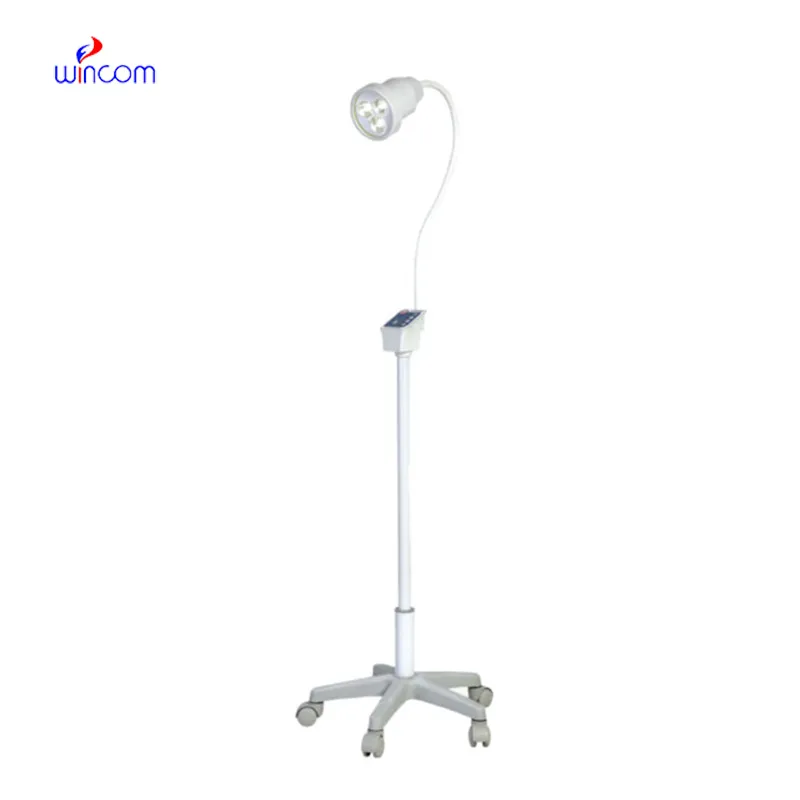
Los equipos de adquisiciones deben solicitar datos técnicos claros antes de comprar lámparas quirúrgicas. Los compradores internacionales suelen utilizar la norma IEC 60601-2-41 como referencia a la hora de evaluar luminarias quirúrgicas y luces de diagnóstico. Este estándar ayuda a los compradores a discutir la iluminancia central, el diámetro del campo, la dilución de sombras, la gestión del calor y el desempeño de seguridad con los proveedores de manera estructurada.
La iluminancia central es una de las primeras especificaciones a comprobar. Las lámparas quirúrgicas importantes suelen necesitar un nivel de lux mucho mayor que las lámparas de exploración. El diámetro del campo también es importante porque la lámpara debe coincidir con el tamaño del sitio quirúrgico. Un campo pequeño puede dejar los bordes mal iluminados. Un campo demasiado amplio puede desperdiciar luz y aumentar el deslumbramiento.
La configuración de montaje debe coincidir con la habitación. Las lámparas de techo ahorran espacio y son adecuadas para quirófanos permanentes. Las unidades montadas en la pared pueden funcionar en salas de tratamiento o áreas clínicas compactas. Las lámparas móviles ofrecen flexibilidad para departamentos de pacientes ambulatorios, salas de emergencia, clínicas dentales e instalaciones que no pueden reconstruir la infraestructura del techo.
Los compradores modernos también deberían revisar las funciones de control de infecciones y flujo de trabajo. Los mangos estériles permiten al equipo reposicionar la lámpara de forma segura. Las superficies lisas facilitan la limpieza. Los controles táctiles, la atenuación y la integración de la cámara pueden mejorar la enseñanza, la documentación y la comunicación durante los procedimientos. Estas características no son decoración. Afectan la usabilidad diaria.
Para salas de procedimientos menores y áreas de examen, una lámpara LED compacta puede ser un complemento práctico a la iluminación quirúrgica completa.
La lámpara de examen OL-0803 de Wincom está diseñada para uso hospitalario y clínico, con un diseño de cuello de cisne móvil, fuente de luz LED e iluminación de al menos 10.000 lux y temperatura de color ajustable desde 3000K a 6000K . Esto lo hace útil para otorrinolaringología, oftalmología, exámenes ginecológicos y entornos similares donde el posicionamiento flexible y el rendimiento eficiente del LED son importantes.
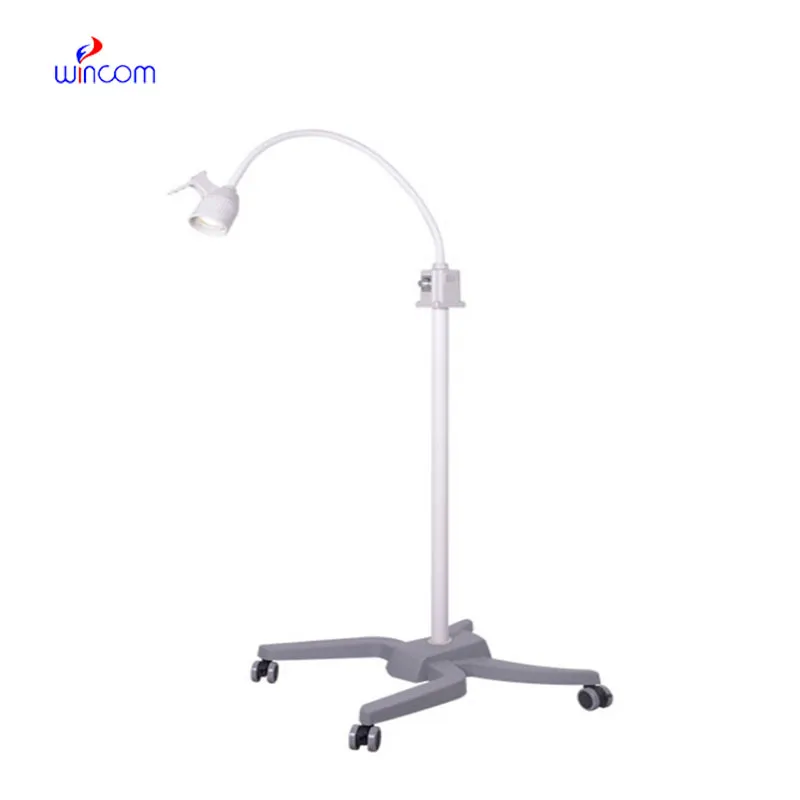
Los grandes quirófanos imponen las más altas exigencias a la iluminación quirúrgica. La cirugía cardiovascular necesita una reproducción cromática fiable porque el flujo sanguíneo y el estado de los vasos deben evaluarse rápidamente. La cirugía ortopédica a menudo implica cavidades profundas e implantes metálicos reflectantes, por lo que el control del deslumbramiento y la profundidad del campo se vuelven críticos. La neurocirugía puede requerir luz concentrada para estructuras anatómicas pequeñas y trabajo con instrumentos finos.
La UCI y los entornos de emergencia tienen necesidades diferentes. Los médicos pueden necesitar iluminación enfocada para el cuidado de heridas, procedimientos de las vías respiratorias, colocación de catéteres o intervenciones junto a la cama. En estos espacios, la movilidad y el posicionamiento rápido pueden importar más que la instalación en el techo. Una luz móvil puede servir para varias salas y ayudar a los equipos durante tareas urgentes.
Las salas de procedimientos menores también merecen una iluminación cuidadosa. Es posible que una escisión dermatológica, un tratamiento dental, un examen de otorrinolaringología o un procedimiento ginecológico no requieran un quirófano completo, pero aun así requieren una visibilidad precisa. Una iluminación deficiente en estos entornos puede hacer que se pierdan detalles, que los procedimientos duren más tiempo y que disminuya la confianza del paciente.
Los laboratorios de diagnóstico y las salas de examen amplían aún más el caso de uso. El personal necesita luz enfocada para la manipulación de muestras, la inspección, el tratamiento menor y la evaluación del paciente. Un proveedor que ofrezca lámparas de quirófano y lámparas de exploración puede ayudar a las instalaciones a crear un plan de iluminación coherente en todos los departamentos.
La iluminación quirúrgica no es sólo una infraestructura de fondo. Es parte del entorno clínico que da forma a la precisión, la seguridad y el desempeño real del equipo. Obtener la lámpara adecuada ayuda a los cirujanos a ver el tejido con mayor claridad, gestionar las sombras, reducir la fatiga, manejar el calor y seguir moviéndose con menos paradas.
Los hospitales y clínicas deben comprobar las lámparas operativas mediante la calidad óptica, el diseño ergonómico, las opciones de montaje, los gastos de mantenimiento continuo y los documentos de cumplimiento. Una estrategia de iluminación sólida podría incluir lámparas quirúrgicas montadas en el techo para quirófanos importantes y lámparas de examen LED más flexibles para salas de procedimientos, así como departamentos ambulatorios. Cuando los equipos de adquisiciones tratan la luz como una herramienta clínica, tienden a tomar mejores decisiones incluso antes de considerar la primera incisión.
Eche un vistazo a nuestras lámparas quirúrgicas: nuestro equipo puede ayudarle con las especificaciones, las certificaciones y la logística de envío también.
Las lámparas quirúrgicas proporcionan brillo controlado, reproducción cromática precisa, reducción de sombras e iluminación enfocada. Las luces normales de una habitación no pueden ofrecer el mismo nivel de visibilidad dentro de un campo quirúrgico.
Los LED suelen ser mejores para las instalaciones modernas porque producen menos calor, utilizan menos energía y duran más. Es posible que todavía aparezcan halógenos en sistemas más antiguos, pero a menudo requieren más mantenimiento.
El CRI mide la precisión con la que una lámpara muestra el color. Un IRC alto ayuda a los cirujanos a distinguir más claramente los tejidos, la sangre, los nervios y las estructuras anatómicas.
Un quirófano importante suele necesitar una lámpara quirúrgica exclusiva. Las salas de examen pueden utilizar lámparas de examen LED más pequeñas, como modelos móviles de cuello de cisne, para una iluminación clínica flexible.
Los compradores deben verificar la iluminancia, la temperatura del color, el CRI, el diámetro del campo, el control de sombras, el tipo de montaje, la salida de calor, el diseño de limpieza, las certificaciones, la garantía y el soporte del proveedor.
Correo electrónico: [email protected]
Teléfono: +86-731-84176622
+86-731-84136655
Dirección: Habitación 1507, Plaza Xinsancheng. No.58, Renmin Road (E), Changsha, Hunan, China


 EN
EN
 af
af
 es
es
 ar
ar
 tr
tr
 sw
sw
 pt
pt
 th
th
 ur
ur
 bn
bn
 ne
ne
 vi
vi
 km
km
 lo
lo
 de
de
 ru
ru
 fi
fi
 nl
nl
 fa
fa
 fr
fr
 ko
ko


